


Brucite powder is made up of magnesium and hydroxyl groups, and its crystal structure is shaped like a hexagon. It is a mineral that is hydroxide. Of course, this magnesium hydroxide mineral is already there when you add water to periclase or serpentinize rocks that are high in olivine. If you grind brucite into an industrial-grade powder, it can be used to put out fires without halogens and as a filler that meets strict international standards. For example, the mineral can stay stable at temperatures up to 340°C and break down without heat. This makes it very useful in current industrial processes that need to be safe and efficient.
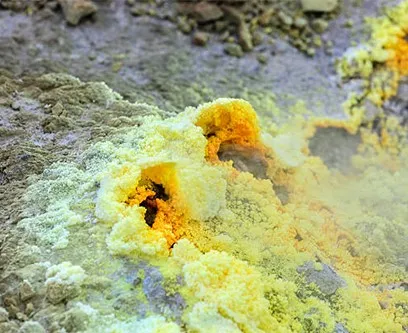
Understanding Brucite: Mineral Composition and Classification
Crystal Structure and Chemical Properties
As brucite crystallizes, it forms a hexagonal shape that is stacked with magnesium cations and hydroxide anions all around them. Sheets of Mg(OH)₂ are made by this structure, and hydrogen bonds hold them together. This makes the material perfectly cleaved and gives it a low Mohs hardness of 2.5. In normal conditions, brucite is chemically solid and has a density of 2.39 g/cm³. This makes it a great material for business use.
A typical piece of the material is 65% MgO and doesn't have many flaws that could change how well it works in tricky scenarios. Natural brucite is better at mixing with polymer materials because its crystal structure is more solid than that of man-made brucite.
Distinction from Related Minerals
Some rocks that have magnesium in them are like brucite, but magnesite (MgCO₃) and talc (Mg₃Si₄O₁(OH)₂) are not. There are some things about brucite that make it stand out. When brucite is burned, it only gives off water vapor, while magnesite breaks down into carbonates. This makes it better for putting out fires because it is better for the environment. When hiring people to make low-smoke, halogen-free wires and metal composite panels that need to give off as few toxic gases as possible, this quality is very important.
Industrial Relevance for Procurement Decisions
What you do when you know that brucite is a mineral changes the way you buy things. Hydroxide minerals are safer at high temperatures than carbonate or silicate minerals, especially when they are being used in high-temperature processing. Expert teams can use this information to pick the right types for a wide range of tasks, from insulating wires to making bricks. This makes sure that the best results are achieved at the lowest cost.
Brucite Powder: From Mineral to Industrial Product
Extraction and Processing Technologies
To turn raw brucite rock into high-quality industrial powder, you need to use complicated ways of beneficiation. We crush, grind, and sort natural sediments to get exact estimates of particle sizes. Particles in our BP-65 grade are between 3 and 20¼m in size. This is the best size for getting the most surface area while still being easy to work with in injection molding and extrusion.
More than 96% of the time, modern processing methods ensure that brightness levels will stay the same. This is important for uses where color stability is important. Processing problems don't happen when the water level is kept below 0.5% during high-temperature mixing, and the pH range of 8–10 gives the best alkaline buffering capacity for neutralization uses.
Quality Control and Standardization
For business-to-business deals to be trustworthy, the brucite powder that is made in factories has to meet strict quality standards. What makes the flame retardant helpful is the loss on burning standard of up to 31%. The amount of water that is thought to be released during heat breakdown is shown here. Teams that buy things use this as one of the main ways to figure out how stable a source is and how well a product works.
It is easy for things to cross countries and be accepted by regulators all over the world if they have international certification, like the HS Code classification 25309099. The CAS number 1309-42-8 makes it easy to find chemicals, which is necessary for writing up the right material safety paperwork and meeting government reporting requirements.
Natural versus Synthetic Variants
Mineral magnesium hydroxide is different from magnesium hydroxide made in a lab. People who work in buying need to know the difference. Most of the time, natural brucite powder works just as well as more expensive powders that put out fires. Minerals are more stable at high temperatures than manufactured ones because of the way their crystals are structured. For industrial plastics that need to be worked with at temperatures above 280°C, this is very helpful.
When used on a big scale, the lower cost is important because synthetic options might be too expensive or not work as well. This cost-performance ratio is very important for companies that make wires and metal composite panels that need to meet fire safety standards while also making as little money as possible.
Comparing Brucite with Other Mineral Fillers and Powders
Performance Against Aluminum Trihydrate
When you look at ATH next to brucite, you can see that ATH is much better for uses that need to survive high temperatures. Around 200°C, ATH starts to break down, but brucite powder can withstand temperatures up to 340°C without changing. This lets you use industrial plastics like PA6, PP, and ABS, which need hotter extruders. Because this material conducts heat better than others, it can be used in more ways and make things more quickly.
Because brucite puts out fires better, manufacturing teams only need to use less of it to get the same fire ratings. The end product is stronger because it has less filler. It also meets UL94 V-0 and other fire safety standards that are important for uses in cars and electricity.
Cost-Effectiveness Analysis
Cost is one of the most important things to think about when buying things for high-volume uses. Natural brucite is much cheaper than magnesium hydroxide that is made in a lab, but it still does a good job of stopping fires. It is easy to get the mineral, and there are known supply lines that keep costs stable. This is helpful for buying teams when they are making long-term deals.
Environmental laws are pushing for halogen-free solutions more and more. Because of this, brucite powder is a better choice than regular flame retardants that are brominated. The new rules make it easier for businesses to be more environmentally friendly and open up new market opportunities. But buying teams have to find a mix between these goals and the need to get good results at a low cost.
Supply Chain Considerations
When a business needs mineral fillers, it's important to have a good supply chain management system. It's safer for professionals to buy from more than one source because the natural brucite reserves are spread out over a big area. Due to well-established global trade networks, magnesium hydroxide is always available and the price is fair.
Quality consistency between goods is still a big issue that can only be fixed by making it very hard for sellers to get in. Henghao Technology Development and other well-known providers have strict rules for quality control. This makes sure that each batch is the same, which is important for manufacturing jobs that need to know what the material will be like.
Practical Applications and Benefits of Brucite Powder in B2B Industries
Low-Smoke Halogen-Free Cable Applications
The wire and cable industry buys a lot of industrial brucite powder, especially halogen-free, low-smoke forms. Because brucite breaks down at a very low temperature, cable makers can meet strict fire safety standards while still using the material's great electrical insulation qualities. The material can be worked with more quickly during wire casting because it stays stable at high temperatures. The cost of energy goes down and the process works better.
More and more, materials that don't contain halogens are needed for safety reasons in business buildings, transportation, and the ocean. Brucite only gives off water vapor and magnesium oxide when it breaks down. Getting rid of the toxic halogenated chemicals that come out of fires is done this way. People who make cables and people who use them won't be held responsible for anything as long as this safety model is followed.
Aluminum Composite Panel Manufacturing
For building purposes, you need materials that don't catch fire and keep their shape in rough conditions. Brucite powder is what makes A2 and B1 grade aluminum composite walls less likely to catch fire. The panels get the mineral core they need to pass the tough EN 13501-1 vertical burn tests. The material can hold a lot of weight-often more than 50%-which means it works well with polymer bonds and keeps the power of the panel.
Building safety has become more important in the construction industry after a number of high-profile fires. Coverings are being looked at even more closely now because of this. Builders and workers can be sure that the materials they choose will meet government and insurance standards because Brucite has done well in regular fire tests.
Environmental and Industrial Neutralization
Not only is brucite used to put out fires, but it is also very important for keeping the environment safe and managing industry processes. Because the material is alkaline, it is used to remove sulfur dioxide from waste gas in power plants and steel mills. This keeps sulfur dioxide from going into the air. If you keep an eye on the alkalinity, the pH will never get too high, which is what can happen with more reactive neutralizers.
Wastewater treatment companies can use brucite because it can buffer acidic waste streams. The element is a safer way to drop the pH than acids. Also, the sludge is thicker, which means there is less trash and it costs less to dump. These uses around the world show that the stuff isn't just useful for the rubber and plastic parts business.
Navigating Procurement: How to Source High-Quality Brucite Powder?
Supplier Evaluation Criteria
To get brucite powder that is good for industry, you need to carefully check out sources based on how well they control quality, how skilled their technicians are, and how reliable their supply chain is. Quality assurance certifications like ISO 9001 and REACH compliance give buying teams some peace of mind when they have to deal with laws from more than one state. To make sure they meet standards, suppliers should show that they can test batches to see how pure the chemicals are, how the particle sizes are spread out, and what other physical properties they have.
Premium suppliers offer expert support, setting them apart from basic providers. For buying teams that have to deal with difficult product development needs, being able to offer help with application, formulation, and fixing is very useful. This way of working together with experts is very helpful when formulas need to be changed to meet specific performance goals or cost-cutting goals.

Customization and Private Label Opportunities
Customized solutions that set the supply chain apart are becoming a bigger part of modern buying strategies. The best sellers give you options for changing the size of the particles, treating the surface, and making your own packages that fit the needs of different production methods. With these customization choices, buying teams can find the most cost-effective materials that work best for each job.
There are more ways to stand out with private label relationships, especially for businesses that serve niche markets or need to meet certain quality standards. Strategies that help you set your products apart from others work better when you can make special grades with better performance traits. Costs and the supply chain can be kept under control while this is done.
Procurement Best Practices
Having a lot of different suppliers is a good way to make sure that the way you buy things is good for quality, price, and supply security. It's safer to not rely on just one source, and having more than one approved seller gives you more negotiating power for long-term deals. Procurement teams should set clear quality standards, testing methods, and performance measures to make sure that products from different sources have the same qualities.
It's important to keep track of lead times in order to stick to production plans, especially in industries like building and cars where demand changes with the seasons. To keep the right amount of goods on hand and keep costs as low as possible, you need to be able to correctly guess how much will be needed and make shipping plans that can be changed as the market changes.
Conclusion
People who work in buying can use brucite as a hydroxide material in a safe and inexpensive way in many different types of businesses as a filler and flame retardant. Because it is stable at low temperatures, safe for the environment, and good for the economy, the mineral is a useful substance for builders who want to do a good job and follow the rules. When you know about brucite's basic properties and how it is used in business, you can make smart purchases that save money and make products better. Because of laws about the environment, brucite powder is a good material choice that will help companies stay competitive in the long run.
FAQ
What mineral class does brucite belong to and why does it matter for industrial applications?
It is easy to tell that brucite is a hydroxide mineral because it has a hexagonal crystal structure and the formula Mg(OH)₂. It changes how it acts at high temperatures based on this description. It only gives off water vapor when it breaks down, no dangerous gases. This makes it great for uses that need a halogen-free flame retardant and strict safety rules.
How does brucite powder compare to synthetic magnesium hydroxide in terms of performance and cost?
It is just as effective at stopping things from catching fire as made brucite powder, but it is much less expensive, especially when used in large amounts. The mineral's natural crystal structure often makes it easier to work with and more stable at high temperatures than forms that are made in a lab.
What quality specifications should procurement teams prioritize when sourcing brucite powder?
The MgO content (usually 65%), the particle size distribution (D50 3-20µm for best results), the whiteness levels (96% at least), and the moisture content below 0.5% are some of the most important specs. In factories, these things have a direct impact on how well the process works and how good the final product is.
Partner with Henghao Technology Development for Premium Brucite Powder Solutions
Because they have been handling rocks and chemicals for more than 20 years, Henghao Technology Development (Hangzhou) Co., Ltd can meet your needs for brucite powder. We have strict quality control methods that make sure the BP-65 grade standards you need are always met. This way, you can keep your prices low while still making good products. In 33 different countries and areas, our supply system has been proven to work well. You can get the expert help and reliable goods you need for tough industrial uses from us. You can get prices from a reputable brucite powder source by emailing our team at info@henghaopigment.com and telling them about your specific needs.
References
1. Klein, Cornelis and Barbara Dutrow. "Manual of Mineral Science." 23rd Edition. John Wiley & Sons, 2007.
2. Hull, Thomas Richard and Anna A. Stec. "Introduction to Fire Toxicity." Woodhead Publishing Series in Civil and Structural Engineering, 2010.
3. Murphy, John. "Additives for Plastics Handbooks." 2nd Edition. Elsevier Advanced Technology, 2001.
4. Rothon, Roger N. "Particulate-Filled Polymer Composites." 2nd Edition. Rapra Technology Limited, 2003.
5. International Organization for Standardization. "Fire Classification of Construction Products and Building Elements - Part 1: Classification Using Data from Reaction to Fire Tests." ISO 13501-1:2007.
6. Deer, W.A., R.A. Howie, and J. Zussman. "An Introduction to the Rock-Forming Minerals." 3rd Edition. Mineralogical Society of Great Britain and Ireland, 2013.


