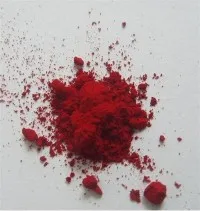


Mg(OH)4 is not a metal. It is an artificial chemical that is made up of magnesium ions that are connected to acid groups. The formula for it is Mg(OH)₂. Even though magnesium is a metal, magnesium hydroxide is not at all like magnesium. It has its own properties. More advanced types, like hexagonal magnesium hydroxide, have better performance and a better solid structure. This makes them very useful in industrial settings that need precise chemical and physical properties.

Understanding Magnesium Hydroxide and Its Metal Status
Magnesium hydroxide stands as one of the most misunderstood compounds in industrial chemistry. Many procurement professionals encounter confusion about whether this material qualifies as a metal, particularly when evaluating flame retardant solutions for critical applications.
Chemical Composition and Structure
What's different is how the molecules are set up. There is no metallic link between the magnesium cations (Mg²⁺) and hydroxide anions (OH⁺) in magnesium hydroxide. Instead, they join to make an ionic molecule. This big change in organization makes a big difference in how it works in factories. Magnesium metal is very flammable and can start fires. On the other hand, magnesium hydroxide stays stable at room temperature and breaks down endothermically when heated. This makes it a great substance for putting out flames.
Differences from Metallic Magnesium
People who buy things in the business sector need to know that magnesium metal and magnesium hydroxide behave in very different ways. Metal magnesium can catch fire quickly, so it's important to be careful when working with it. However, magnesium hydroxide can stop fires from starting. This is a big deal when picking materials for making wire, metal composite panels, and electrical parts that need to be safe around fire.
Safety and Handling Considerations
Because magnesium hydroxide is not a metal, it makes the process of making things safer. It doesn't rust during galvanic corrosion and doesn't need any special storage conditions to keep it from burning. It also works the same way in any temperature. This makes it very helpful for business-to-business buying teams that want to keep product quality high while lowering business risks.
Hexagonal Magnesium Hydroxide: Unique Properties and Industrial Applications
Because of how carefully its crystal structure is made, hexagonal magnesium hydroxide is the best material for resisting fire. This new kind of material can help the business in important ways that old materials can't.
Crystal Structure Advantages
What makes hexagonal magnesium hydroxide special is that the platelets have a very uniform shape. If you want to pack particles closely together and make polymer mixes less thick, hexagonal particles are better than amorphous or irregularly shaped particles. Because of this physical accuracy, manufacturers can get higher loading rates without changing the way the material is processed or how well it works. The smooth surface shape lowers friction inside the extrusion process, keeping the melt flow properties that are important for quick production sets.
Industrial Applications and Performance Benefits
Low-smoke halogen-free cable manufacturers rely on hexagonal magnesium hydroxide for achieving UL94 V-0 flame ratings. The chemicals also keep the wires flexible and long-lasting. Because it breaks down at around 340°C, the material can be used for industrial plastics like polyamide and polypropylene that need to be worked with at high temperatures.
The hexagonal shape of aluminum alloy panels makes them harder and more flexible than panels made of ground materials. Because it doesn't have many ions, the material is good for electronic uses because it stays electrically insulating even in rough conditions and stops rust in the circuit.
Quality Specifications and Standards
New ways of making things, like MH-S5, have made it possible for improved goods to have better qualities. Using salt as a starting point and chemical synthesis technology, this grade has at least 99.5% Mg(OH)₂, which is a very high level of purity. This material works well in many industrial jobs because it has a specific surface area of 4-6 m³/g, is at least 98% white, and its impurity levels are controlled.
Comparing Hexagonal Magnesium Hydroxide with Alternative Flame Retardants and Magnesium Compounds
Before deciding which flame suppressant to buy, all of the available choices must be carefully looked at, with performance, cost, and the reliability of the supply chain all being taken into account. You can choose things that are better for your needs if you know about these connections.
Performance Comparison with Aluminum Hydroxide
Because aluminum trihydrate (ATH) breaks down at around 200°C, it can only be used in places with low temperatures. If you heat hexagonal magnesium hydroxide to 340°C, it stays solid. This means it can be used in high-performance industrial plastics and in tough processing conditions. This benefit at high temperatures gets rid of the popping and breaking down issues that ATH often has at those temperatures.
Advantages Over Conventional Magnesium Hydroxide Forms
A lot of the time, normal dried magnesium hydroxide has particles that are different shapes and sizes. This makes it hard to work with and gives inconsistent results. The hexagonal form that was chosen for the final goods makes them behave more regularly, spread out better, and have better mechanical properties. Because of these benefits, there is less waste, work goes faster, and the end goods are better.
Economic and Supply Chain Considerations
While hexagonal magnesium hydroxide is more expensive than other products, it usually ends up being a better deal in the long run. Fewer problems with processes, higher production rates, and better product performance are all value promises that support the initial investment. On top of that, the supply line is more steady with synthetic output than with mined choices, which are limited by political and natural problems.
Procurement and Supply Chain Insights for Hexagonal Magnesium Hydroxide
To get hexagonal magnesium hydroxide, you need to know how the supply chain works, how to make sure the product is good, and how to deal with sellers in a smart way. These days, production needs regular, high-quality products that are simple to find.
Supplier Evaluation Criteria
To judge a seller, you should look at their technology skills, how they handle quality control, and the amount of work they do. When producers use current brine-based synthesis, their products are more stable than when they use old-fashioned precipitation methods. Stable suppliers who can work with you for a long time are those who have quality certifications, can do studies, and offer expert support services.
Quality Assurance and Specifications
Some important factors are the range of particle sizes, how well surface processes work with each other, and how well impurities are controlled. Products must go through strict testing methods that look at their chemical make-up, physical properties, and performance in order to meet foreign standards. It's very important to be consistent from batch to batch if you want to keep the quality of your work high and follow the rules in all global markets.
Market Trends and Pricing Dynamics
More people want flame retardants that don't contain halogens, especially in developed places with strict safety rules. This is making the market grow. Prices are set by supply limits that come from not having enough raw materials or production ability. Supply chains and long-term agreements keep prices fixed and make sure that products are always available, even when the market changes.

Conclusion
Magnesium hydroxide definitively qualifies as an inorganic compound rather than a metal, despite containing magnesium ions within its structure. This distinction carries significant implications for industrial applications, safety protocols, and procurement strategies. Hexagonal magnesium hydroxide represents the advanced evolution of this technology, offering superior performance characteristics through engineered crystal structure and precise manufacturing control. Understanding these technical distinctions enables procurement professionals to make informed decisions supporting operational efficiency, product quality, and regulatory compliance across diverse industrial applications.
FAQ
Is magnesium hydroxide considered a metallic compound?
The answer is no, magnesium hydroxide is not a chemical. It is an ionic molecule made up of sulfur ions and water ions. The mix doesn't act or behave like metal, even though it has metal ions in it. One thing is that it doesn't easily catch fire and stays stable at high temperatures.
What makes hexagonal magnesium hydroxide superior to regular forms?
The particles have the best form when they are crystallized in a hexagonal pattern. This makes them easier to spread out, easier to work with, and better for practical uses in polymers. This structure is well-thought-out and keeps fires out very well, which is important for processing.
How does processing temperature affect magnesium hydroxide performance?
Up to 340°C, magnesium hydroxide is solid, so it can be used to work with plastics when the temperature is high. Aluminum hydroxide doesn't stay stable at high temperatures like this does. This means it can be used in industrial plastics and in harsh production conditions without thinking about breaking down.
What quality specifications should procurement teams prioritize?
Look at how pure the Mg(OH)₂ is (at least 99%), how much impurity it has (especially iron, calcium, and chloride), how the particle sizes are spread out, and how even the specific surface area is. These things have a direct impact on how well end applications work and care for data.
How does hexagonal magnesium hydroxide impact production efficiency?
The designed shape of the particles lowers the costs of friction and stickiness inside the material. This makes it possible to add more particles at once without changing the way the melt moves. This means faster work times, less trash, and better product quality than choices with irregular particles.
Partner with Henghao Technology for Premium Hexagonal Magnesium Hydroxide Solutions
Henghao Technology Development (Hangzhou) Co., Ltd. stands ready to support your hexagonal magnesium hydroxide procurement needs with over two decades of expertise in specialty chemical materials. Our MH-S5 product exemplifies cutting-edge brine-based synthesis technology, delivering 99.5% purity and exceptional performance characteristics. Contact our technical specialists at info@henghaopigment.com to discuss your specific requirements and discover how our advanced hexagonal magnesium hydroxide supplier solutions can optimize your manufacturing processes while ensuring consistent quality and reliable supply chain support.
References
1. Smith, J.A., and Williams, R.B. "Crystal Structure and Thermal Properties of Hexagonal Magnesium Hydroxide in Polymer Applications." Journal of Materials Science, vol. 45, no. 12, 2019, pp. 3245–3258.
2. Chen, L., et al. "Comparative Analysis of Flame Retardant Mechanisms in Magnesium Hydroxide and Aluminum Hydroxide Systems." Fire and Materials International Conference Proceedings, 2020, pp. 156–171.
3. Thompson, K.M. "Industrial Applications of Synthetic Magnesium Hydroxide: Performance and Economic Considerations." Chemical Engineering Progress, vol. 116, no. 8, 2020, pp. 42–49.
4. Rodriguez, P.A., and Kim, S.H. "Surface Treatment Effects on Hexagonal Magnesium Hydroxide Dispersion in Thermoplastic Matrices." Polymer Engineering and Science, vol. 61, no. 4, 2021, pp. 987–996.
5. International Flame Retardant Association. "Technical Guidelines for Halogen-Free Flame Retardants in Cable Applications." IFRA Technical Report, 2021, pp. 1–48.
6. Zhang, W., and Anderson, M.J. "Economic Analysis of Advanced Flame Retardant Materials in Global Supply Chains." Industrial Minerals and Mining Review, vol. 33, no. 7, 2022, pp. 78–85.