


Organic Pigment
What is Inorganic Pigments
Inorganic pigments are generally metal oxides and/or synthetic chemicals, some of which are very simple in composition but find wide use in paints and coatings. Previously, the inorganic pigments were all naturally occurring colored chemicals.
More durable
One of the biggest drawbacks of pigmented colors is their inability to hold the color for a long time. However inorganic pigments are well known for their color stability. If you see the pigments for cosmetics, you will understand how durable the pigments can be. Most of the pigment manufacturers in India will agree to the fact that there is nothing better than inorganic pigments when it comes to durability.
Ability to withstand external elements
A crucial deciding factor of any pigment is their ability to withstand chemical and sunlight exposure. On using inorganic pigments, you can be rest assured that they will withstand both sunlight and chemical exposure without a second thought. The presence of mineral compounds make the pigments anti to sunlight and chemicals.
No abrasion
There is a tendency for pigmented colors to be less rigid to molecules and more prone to abrasion. However, this is where inorganic pigments are different. Their unique abrasion resistance capability make them highly demandable in the market. In addition to being abrasion resistant, inorganic pigments are also known to increase the rigidity of the molecules and rash inhibition. Since they can increase the molecule rigidity, they automatically become opaque. This helps in preventing light from entering the object. There are very few pigments that are able to prevent light because their ability to make the molecules rigid is quite low. The most that can happen with other pigments is they will make the object translucent, but not more than that.
Much cheaper compared to other pigments
If you check the prices of pigments from color manufacturers, you will notice that inorganic pigments are way cheaper than other pigments. Although, inorganic pigments have uncountable benefits and are used in almost every other industry, their price is definitely something noteworthy. When compared to organic pigments, the inorganic ones take less time to manufacture and their overall cost is also quite low. A reason why they are so pocket-friendly is because they are obtained from natural sources of minerals. There are times when the minerals are manufactured synthetically as well, but their low cost is mainly due to the naturally obtained minerals. This ultimately brings down the final cost of the product that is being made.
-
 Pigment Yellow 13 for Plastics1) Product name: Suncolor Yellow 3113. 2) Color index name: Pigment Yellow 13. 3) ChemicalAdd to Inquiry
 -
 Pigment Yellow 17 GG for Plastics1) Product name: Suncolor Yellow 3117. 2) Color index name: Pigment Yellow 17. 3) ChemicalAdd to Inquiry
 -
 Pigment Yellow 62 WSR for Plastics1) Product name: Sunfast Yellow 3162. 2) Color index name: Pigment Yellow 62. 3) ChemicalAdd to Inquiry
 -
 Pigment Yellow 81 10G for Plastics1) Product name: Suncolor Yellow 3181. 2) Color index name: Pigment Yellow 81. 3) ChemicalAdd to Inquiry
 -
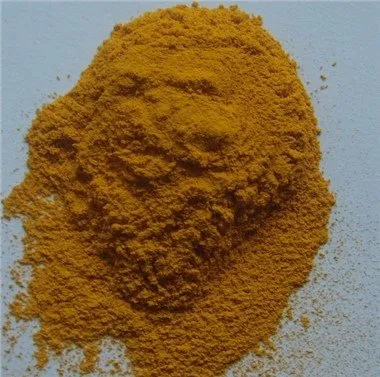 Pigment Yellow 83 HR-02 for Plastics1) Product name: Suncolor Yellow 3183. 2) Color index name: Pigment Yellow 83. 3) ChemicalAdd to Inquiry
 -
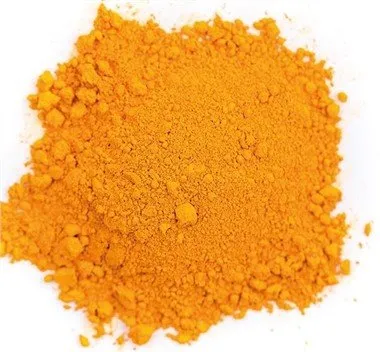 Pigment Yellow 110 2RLP for Plastics1) Product name: Sunfast Yellow 31110. 2) Color index name: Pigment Yellow 110. 3) ChemicalAdd to Inquiry
 -
 Pigment Yellow 139 2RF for Plastics1) Product name: Suncolor Yellow 31139. 2) Color index name: Pigment Yellow 139. 3) ChemicalAdd to Inquiry
 -
 Pigment Yellow 180 HG for Plastics1) Product name: Sunfast Yellow 31180. 2) Color index name: Pigment Yellow 180. 3) ChemicalAdd to Inquiry
 -
 Pigment Yellow 183 K2270 for Plastics1) Product name: Sunfast Yellow 31183. 2) Color index name: Pigment Yellow 183. 3) ChemicalAdd to Inquiry
 -
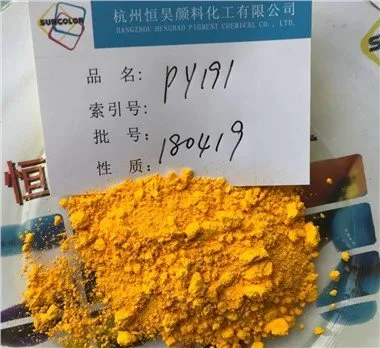 Pigment Yellow 191 HGR for Plastics1) Product name: Sunfast Yellow 31191. 2) Color index name: Pigment Yellow 191. 3) ChemicalAdd to Inquiry
 -
 Pigment Orange 16 R for Plastics1) Product name: Sunfast Orange 3216. 2) Color index name: Pigment Orange 16 . 3) ChemicalAdd to Inquiry
 -
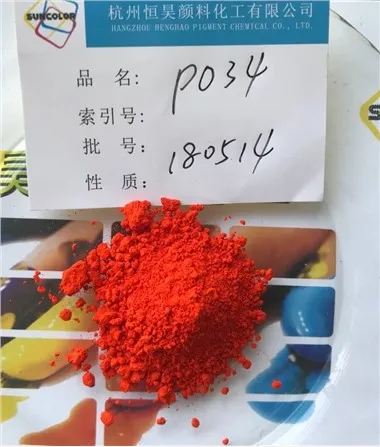 Pigment Orange 34 RL for Plastics1) Product name: Permanent Orange 3234. 2) Color index name: Pigment Orange 34. 3) ChemicalAdd to Inquiry


- Tel: +86-571-88760951 / 88760952
- Fax: +86-571-88760953
- Email: info@henghaopigment.com
- Add: Rm715-719, Building No.5, Qianjiang International Plaza, Qianjiang Economic Development Zone, Hangzhou City, Zhejiang Province, China
Why Choose Us
Our company
Henghao technology development (hangzhou) co., ltd. Was established in 2003, headquartered in pigment and powder division, with independent r&d laboratories and production bases, and joint research and development with universities, always mastering cutting-edge technology and maintaining market competitive advantage.
Product applications
The products are used in plastics, inks, coatings and other fields, covering organic pigments such as azo and lakes, inorganic pigments such as lead and chromium, fluorescent pigments, etc., as well as non-metallic material powders such as magnesium hydroxide.
Our certificates
The products pay attention to safety, implement cleaner production, energy conservation and emission reduction, strictly control heavy metals and toxic substances, and can provide sgs reports and msds.
Quality control
The quality control system is perfect, from raw materials to finished products are systematically tested according to the application method, raw material testing and production process control are carried out in the factory, and the test is applied again in an independent laboratory before delivery, and double inspection ensures product quality.

The application of inorganic pigments in enamel
Due to the particularity of the production process of enamel products, there are requirements for the high temperature resistance and chemical stability of inorganic pigments. At the same time, they also require pure chromaticity, good chromaticity reproducibility, strong tinting strength, fine particle size, Easy to disperse etc.
There are many colors of inorganic pigments, such as cadmium red, chrome green, cobalt black, cobalt blue, etc. If the basic color can meet the requirements of enamel manufacturers, then it is good to directly process the natural color of inorganic pigments.
If it is a manufacturer who has higher requirements for color, then you need to choose a well-prepared enamel pigment, such as a semi-opaque frit with opaque cover coat — neutral white, full opaque frit — antimony white, etc., or Match different pigments with each other, and match different colors to adjust the colors required by enamel manufacturers, such as gray (black + white), orange red (cadmium red + cadmium yellow) and so on.
The application of inorganic pigments in ceramics
If it is a low-temperature ceramic with a firing temperature of 900 °C, it is good to use enamel pigments directly. For high-temperature ceramics with a temperature of 1280~1350 °C, you need to use encapsulated pigments.
The application of inorganic pigments in coatings
Inorganic pigments can be used as oil-based high temperature coatings, such as resin pigments, fillers (mica powder, talc powder, glass powder), additives (dispersants), etc., or as high temperature powder pigments.
Manufacture of Inorganic Pigments
Precipitation
This is a reaction of two or more water soluble metal salt solutions, which when mixed, produce an insoluble coloured precipitate
Precipitation followed by calcination
The precipitated metal salt is washed dried and then roasted at an elevated temperature to bring out the true pigmentary properties
Calcination
The components are intensively blended then heated to around 1,000ºC. The heat energy supplied to the system initiates a solid-state reaction resulting in a coloured single phase.
Lots of talks are doing the rounds regarding organic and inorganic pigments. It is evident from the names that they are different from one another. Talking chemically, in the organic variant of pigments, carbon is present in the molecular structure; while in the inorganic one carbon is not present. Along with carbon, organic variants of pigments also contain traces of sulphur and nitrogen. Phthalocyanine pigments are best examples in this regard. In case of inorganic pigments, metal cations are found in array with non-metal anions. As a result, these pigments remain insoluble in plastic as well as in other kinds of solvents. Plants and plant products are the base from which organic dyes and pigments are made. On the other hand, inorganic pigments are made from chemical and artificial components only. Organic products are safe on use; while the inorganic ones come with serious side effects and might be unsafe for use.


Their uses are as varied as the colors. Often I use the inorganic pigments more for their qualities in a mix than for their color—i.e. a touch of Cobalt Violet in a mix adds very little color, but promotes interesting sedimentation. Buff Titanium dives into a still wet area on the paper, and moves the other pigments around. Nickel Azo Yellow also dives through the painted passage and creates a new form—wonderful in autumn trees! Sedimentary inorganic colors include all the earth pigments such as Venetian Red, Cadmium Orange, Cobalt Green, Cobalt Violet, Nickel Azo Yellow, Lunar Earth, Lunar Red Rock. The transparent inorganics such as Cobalt Blue and Aureolin (Cobalt Yellow) are wonderful for layered glazes, giving the beautiful sense of transparency and depth that watercolor is famous for.
Interactions Between Inorganic Pigments and Proteinaceous Binders in Reference Paint Reconstructions
The degradation of the proteinaceous binders, ovalbumin (OVA) and casein, and their interactions with azurite (Cu3(CO3)2(OH)2), calcium carbonate (CaCO3), hematite (Fe2O3) and red lead (Pb3O4) pigments were studied. A multi-analytical approach based on Thermogravimetric Analysis (TG), Differential Scanning Calorimetry (DSC), Fourier Transform Infrared Spectroscopy (FTIR) and Size Exclusion Chromatography (SEC) was used. The research was carried out on a set of paint reconstructions, which were analysed before and after artificial light ageing. We highlighted that in most cases the inorganic pigments interact with both proteins by decreasing their thermal stability and their intermolecular β-sheet content, and that ageing induces aggregation. We hypothesized that pigments intercalate between protein molecules, producing a partial disruption to the protein–protein intermolecular interaction. In the case of casein, these phenomena continued during ageing. In fact, we observed a complete disappearance of intermolecular β-sheets and an increase in intramolecular β-sheets and random coil during ageing. This result is in agreement with the structural properties of casein, whose aggregation is known to be induced by hydrophobic interactions. On the other hand, in aged OVA paint replicas, we observed the formation of new intermolecular β-sheets and an increase in thermostability. In addition FTIR showed oxidation of the side chains of the aged OVA/hematite sample and aged casein pigment samples, and SEC highlighted hydrolysis phenomena in aged carbonate, azurite and red lead/OVA complexes and in aged casein/calcium carbonate and casein/azurite samples.

Some pigment powders (e.g. ochre) are naturally-occuring minerals (such as goethite/limonite and hematite). Where these minerals (yellow-brown to dark red) occur naturally near the earth’s surface, as deposits that are pure enough, they can be mined at relatively low cost, and may only need to be ground to the required size and mixed to achieve the right colour.
Most inorganic pigments are synthesized industrially to meet the demand. Many synthetic compounds have more desirable properties and/or lower cost than natural ones. I suspect those are the ones that interest you.
In researching this broad topic, you will get better results if you use 2 steps: 1) searching on Google for pigments of specific colours (e.g. “inorganic red pigment powder” gets you to useful information about specific compounds and their trade names (e.g. “cadmium red”); as step 2) you can search for “production of pigment cadmium red”. You will quickly see that there are many production processes and why there is no single answer.
Properties of Inorganic Pigments
Excellent fade resistance
One benefit of inorganic pigments is their excellent resistance to fading when exposed to light. They also tend to be more resistant to fading when exposed to open air and heat.
Cost-effective
Inorganic pigments tend to be cheaper to produce, especially in the large quantities needed for industrial applications. Much of this is due to the relatively simple chemical reactions needed to produce inorganic pigments.
Poor tonality
While inorganic pigments tend to retain their color well, the color they produce by themselves is often dull. Improving tonality and brightness is often only possible when mixing inorganic pigments with organic pigments or dyes.
Classification of Inorganic Pigments
Orpiment and realgar
The main component of realgar is arsenic tetrasulfide; the main component of orpiment is arsenic trisulfide. They are both classic mineral pigments with a bright yellow color used in painting and decoration.
Gypsum
Gypsum is a calcium sulfate mineral, a common white powder used in paintings, murals, and architectural decoration.
Ocher
Ocher is a clay mineral containing iron oxide and other minerals. It usually appears reddish-brown to brown-red in color and is commonly used in painting, decoration and other purposes.
Black soil
Black soil is formed from soil that contains high concentrations of organic matter and minerals. In painting and art, black soil is often used as a pigment to create works such as oil paintings, watercolors, and drawings.
Kaolin
Kaolin, also known as China clay, after being finely processed and purified, is used as a white pigment with excellent covering power and glossiness in art painting such as oil and watercolor, for the white parts.
Laterite
Laterite is a type of soil containing iron oxides, typically exhibiting a brownish-red color, commonly used in ceramic glazes and architectural decoration.
Application of Inorganic Pigment
Paints and coatings
Inorganic pigments are widely used in paints and coatings due to their excellent durability, UV resistance, and stability. They provide vibrant and long-lasting colors for architectural, automotive, industrial, and marine coatings.
Plastics
Inorganic pigments are used in the plastics industry to impart color and enhance the aesthetic properties of plastic products. They are compatible with various types of plastics and offer good heat stability and lightfastness, making them suitable for a wide range of applications, from packaging to automotive components.
Construction materials
These pigments are essential in coloring construction materials such as concrete, bricks, tiles, and roofing materials. They provide consistent color, weather resistance, and longevity, which are crucial for building materials exposed to the elements.
Inks
Inorganic pigments are utilized in the production of printing inks for various applications, including packaging, textiles, and publications. They offer excellent color strength, opacity, and resistance to fading, making them ideal for high-quality printing.
Cosmetics
Inorganic pigments are used in cosmetics to provide color and enhance the appearance of products such as eyeshadows, blushes, and lipsticks. They are valued for their safety, non-toxicity, and stability, ensuring that cosmetic products maintain their quality and effectiveness over time.
Our Factory
Set in the year of 2003, Henghao Technology Development (Hangzhou) Co., Ltd.'s predecessor is Hangzhou Henghao Pigment Co. The company's headquarters has two divisions: Henghao Pigment & Henghao Powder which has independent R&D lab and production bases. We have been doing lots of researches & developments with major domestic universities together, and keeping the latest technology and market competitiveness advantages.

FAQ
Q: What is the difference between organic and inorganic pigment?
Q: What are inorganic pigments made of?
Q: Where do inorganic pigments come from?
Q: How do inorganic pigments get their color?
Q: What are the advantages of inorganic pigments?
Q: Why are inorganic pigments cheaper?
Q: What is the difference between dyes and inorganic pigments?
Q: What are the ancient inorganic pigments?
Q: What is an example of an inorganic color?
Q: What are the classification of inorganic pigments?
Q: What is an inorganic pigment structure?
Q: Are inorganic pigments synthetic?
Q: How do you make inorganic pigments?
Q: How do we perceive inorganic pigments color?
Q: What are two benefits of using organic pigments over inorganic pigments?
Q: What is the difference between dyes and inorganic pigments?
Q: What are two examples of organic and inorganic pigments?
Q: What are inorganic pigments used in cosmetics?
Q: What are the advantages of inorganic pigments?
Q: Are inorganic pigments synthetic?
We're professional organic pigment manufacturers and suppliers in China, specialized in providing high quality products with low price. We warmly welcome you to buy bulk customized organic pigment made in China here from our factory. For pricelist and free sample, contact us now.
Pigment Blue 15 3 CAS No 147 14 8, Pigment Yellow 14 Molecular formula C34H30Cl2N6O4, Pigment Orange 13 CAS Number 3520 72 7