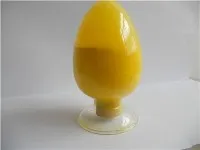


Modified Magnesium Hydroxide (MMH) is a surface-treated, chemically enhanced flame retardant additive engineered specifically for plastic applications. It functions as a halogen-free fire suppressant that decomposes endothermically when exposed to heat, releasing water vapor to cool flames and dilute combustible gases. Used extensively in cable insulation, engineering polymers, and composite materials, MMH solves critical industry challenges including regulatory compliance with low-smoke halogen-free standards, thermal stability during high-temperature processing, and enhanced mechanical properties in finished plastic products.

Introduction
As the world moves toward safer and more environmentally friendly ways to make things, Modified Magnesium Hydroxide is at the center of developing flame retardant technology for the plastics business. Modified Magnesium Hydroxide meets the needs of buying managers, technical experts, and business owners who want to find alternatives to halogenated retardants, which give off harmful, corrosive gases when they burn.
Working with cable makers, auto suppliers, and electronics makers for 20 years has shown us that Modified Magnesium Hydroxide solves three important procurement problems: consistency from batch to batch, long-term supply reliability, and competitive pricing without sacrificing quality.
Modified Magnesium Hydroxide is a smart option for businesses in North America and Europe that need to deal with rules about fire safety that are getting stricter all the time. Modified Magnesium Hydroxide is better at working with polymer materials like polypropylene (PP), polyethylene (PE), and thermoplastic elastomers (TPE) than unmodified magnesium oxide.
This new technology makes it possible to load things more heavily while still keeping the mechanical qualities that are needed for tough jobs. This guide looks at how Modified Magnesium Hydroxide's ability to do two things-put out fires and stop smoke-helps environmentally friendly manufacturing while also meeting international standards that are on par with BASF, Clariant, and other industry leaders.
Understanding Modified Magnesium Hydroxide and Its Chemical Properties
The Chemical Enhancement Process
Controlled chemical processes change raw magnesium hydroxide into a high-performance additive by changing its surface. Coupling agents like silanes, titanates, or stearic acid are often used in these processes. They coat individual particles and make them less water-repellent and better at dispersing.
The change lowers the interfacial tension between the inorganic filler and organic polymer chains, which stops the chains from sticking together during compounding. This treatment also improves thermal conductivity and keeps the particle size distribution constant, with D50 values usually below 2 micrometers for luxury grades. This makes sure that the flame retardant protection is the same throughout the plastic matrix.
Flame Retardant Mechanism and Thermal Stability
When Modified Magnesium Hydroxide is heated above 300°C, it breaks down in a process called endothermic breakdown, which absorbs a lot of heat energy and releases water vapor. This reaction effectively cools the area where the fire is burning and creates a protective magnesium oxide char layer on the surface of the material, which keeps oxygen and heat out.
Aluminum trihydrate (ATH) breaks down at around 200°C. Modified Magnesium Hydroxide, on the other hand, breaks down at 340°C, which means it can be used with engineering plastics that need higher processing temperatures. There are no worries about halogenated compounds, heavy metals, or persistent organic pollutants getting into production areas or end-use uses because the breakdown products are safe and non-toxic: water and magnesium oxide.
Chemical Purity and Quality Parameters
The magnesium hydroxide content of industrial-grade Modified Magnesium Hydroxide is usually higher than 95%, and the amounts of impurities are tightly controlled. Important requirements include a moisture content of less than 0.3%, an iron content of less than 100 ppm, and a whiteness index that stays above 92. These factors directly affect how well the process works and how the finished product looks.
The rheological behavior changes during extrusion and injection molding depending on the shape of the particles, such as hexagonal platelets or spherical aggregates. Quality certifications like ISO 9001 and REACH compliance paperwork give procurement teams peace of mind when they are managing strategies with multiple suppliers and need to be able to track products all the way through global supply chains.
Key Applications of Modified Magnesium Hydroxide in Plastics
Low-Smoke Halogen-Free Cable Materials
Modified Magnesium Hydroxide is most commonly used in the cable and wire business, which is driven by strict fire safety standards like IEC 60332, UL 1581, and BS 6387. Manufacturers of cables add Modified Magnesium Hydroxide to polyethylene materials at levels of 50 to 65% by weight to meet flame resistance standards while keeping the cables flexible.
The ability of the material to keep smoke out is very important in tunnels, high-rise buildings, and transportation systems. When Modified Magnesium Hydroxide is mixed with red phosphorus or expandable graphite synergists, it produces very little smoke and less acid gas, which is perfect for power transmission and telecommunications infrastructure projects that need to meet strict standards.
Engineering Polymer Composites
More and more, Modified Magnesium Hydroxide-filled polypropylene and polyamide compounds are used in electrical housings, device casings, and parts under the hood of cars. In these situations, flame retardancy is needed without lowering the strength or stability of the dimensions. Surface-modified grades work well with glass fiber-reinforced composites because they keep their mechanical qualities and meet UL 94 V-0 standards.
The car industry really appreciates Modified Magnesium Hydroxide's help with methods for reducing weight, since halogen-free formulations get rid of the need for heavy brominated substances. Manufacturers of electronics like that the surface finish is better and there is less warpage compared to mineral fills that have not been changed.
Thermoplastic Elastomers and Rubber Applications
Modified Magnesium Hydroxide's ability to keep its elasticity while being fire-resistant makes it useful for flexible plastics used in safety gear, conveyor belting, and specialty hoses. Different types of thermoplastic polyurethane (TPU) and ethylene-vinyl acetate (EVA) are used in different formulas to find the best mix between flame resistance and stretchiness.
Because it works with peroxide curing systems, the material can be used in cross-linked polyethylene (XLPE) applications where regular retardants might stop the vulcanization process. Rubber compounders like that the dispersion is uniform and has little effect on the processing viscosity. This lets them run efficient production cycles without having to change any equipment.
Comparing Modified Magnesium Hydroxide with Other Flame Retardants
Performance Against Aluminum Hydroxide
Both materials work through endothermic decomposition, but Modified Magnesium Hydroxide's higher decomposition temperature of 140°C makes it easier to work with. When extruding polypropylene materials at temperatures above 220°C, they run the chance of premature water release with ATH, which can lead to surface defects and holes.
Modified Magnesium Hydroxide stays stable during normal processing windows, which lets cleaner production and better surface finish happen. The better temperature stability also stops equipment from rusting when moisture is released, which lowers the cost of upkeep. But aluminum hydroxide is still a good deal for processing jobs that don't go above 200°C. This means that the choice of material depends on the temperature needs and the budget.
Nano-Grade Versus Conventional Particle Sizes
Modified Magnesium Hydroxide with particles smaller than 100 nanometers in size can be better dispersed and seen through in some polymer systems. These ultra-fine types allow lower loading levels-possibly 35–40% compared to 50–60% for regular Modified Magnesium Hydroxide-while still having the same flame resistance. The lower amount of filler keeps the mechanical qualities the same and lets more pigment be used in color-critical situations.
Micron-scale Modified Magnesium Hydroxide (1–5 micrometers) is still the standard in the industry for cable uses where visual qualities are less important than cost and well-known processing parameters. Choosing between nano and standard grades depends on how well they work, how much you are willing to spend on advanced compounding technology, and how much you need to produce them.
Supplier Evaluation and Quality Consistency
For reliable sourcing, you need to look at more than just the prices that different suppliers offer. Some important criteria for evaluation are the stability of the ore source for mineral-processed grades and the control of chemical synthesis for precipitated grades. Compound repeatability is directly affected by how consistent batches are in particle size distribution, moisture content, and how well surfaces are treated.
Suppliers who use new technologies to improve modification methods, like creating their own coupling agent formulations or controlling crystallization processes, give their customers a competitive edge by making polymers work better together, especially when Modified Magnesium Hydroxide is incorporated as a functional filler. Transparency in the supply chain, such as ore reserve data or chemical feedstock contracts, lowers the risks of production breaks that destroy just-in-time manufacturing processes.
Procurement Strategies for Modified Magnesium Hydroxide Powder
Pricing Dynamics and Volume Negotiations
Industrial-grade Modified Magnesium Hydroxide costs between USD 800 and $1400 per metric ton FOB China right now. The price varies based on particle size, surface treatment complexity, and order number. When compared to spot purchases, bulk buyers who commit to 100-ton minimum orders often get 8–12% discounts. Long-term supply agreements with price reviews every three months keep budgets stable while still allowing for changes in the market. Technical buyers shouldn't just look at unit price; things like consistent quality that lowers reject rates and reliable delivery that keeps production running smoothly often outweigh small price benefits from suppliers that haven't been tried.
Supplier Certification and Compliance Documentation
ISO 9001 certification is a basic way to make sure that quality management systems are working, and ISO 14001 certification shows that a company cares about the environment, which is something that OEM customers are increasingly asking for. To be registered for REACH on European markets, a substance must have full recognition and safety data, and providers must keep their paperwork up to date as rules change.
Reports from UL or a third party testing the flame retardant's performance give buying teams concrete standards for performance. Suppliers who offer full traceability, from where the raw materials come from to testing the finished product, help with internal auditing and the qualification process for customers. Managing multiple licenses across seller portfolios is a lot of work, so consolidating buying from capable providers is a good business move.
Customization and Technical Support
Leading suppliers set themselves apart by developing products that are specifically made for a certain use. They do this by working together to find the best Modified Magnesium Hydroxide grades for different polymer systems. This could mean changing the particle size distribution for extrusion vs. injection molding or picking surface treatments that work with certain tools for processing.
Companies that are making new goods or joining new markets can benefit a lot from technical support that goes beyond just providing materials. This includes help with chemical formulation, troubleshooting in the processing, and coordinating flame tests. Time-to-market and development risk are both lowered by being able to provide sample quantities for trial production and quickly scale up to commercial volumes once the product has been proven to work.
Future Trends and Innovations in Modified Magnesium Hydroxide for Plastics
Advanced Surface Treatment Technologies
New methods of modification use multiple layers of coupling agents or mixed organic-inorganic coats to make polymers even more compatible. Studying biomimetic surface patterns that are based on natural mineral formations could lead to stronger bonds between surfaces. In comparison to physical coating methods, adding reactive groups to Modified Magnesium Hydroxide surfaces that chemically bond with polymer chains during processing is a big step forward in technology.
These new ideas allow for lower loading levels while keeping or even better flame retardant performance, particularly when Modified Magnesium Hydroxide is engineered with tailored surface chemistry to maximize efficiency at reduced dosages. This meets the industry's constant need to cut down on filler material without sacrificing safety.
Regulatory Drivers and Market Demand
Fire safety standards around the world are getting stricter. For example, new building rules in California, the EU, and rising Asian markets make it clear that halogen-free materials are preferred. The building industry's use of sustainable rating systems like LEED and BREEAM makes buyers prefer materials that are low in harmful substances and have clear environmental profiles.
More people are learning about persistent organic pollutants and chemicals that mess with hormones, which is speeding up the replacement of brominated and chlorinated retardants in many fields. This regulatory momentum guarantees steady demand growth for Modified Magnesium Hydroxide and related halogen-free alternatives. This encourages suppliers to invest in expanding their capacity and making technology better.

Circular Economy and Recycling Compatibility
Halogenated retardants make it harder to recycle plastic because they can contaminate it. Modified Magnesium Hydroxide, on the other hand, is synthetic and non-toxic, which makes closed-loop material recovery easier. Modified Magnesium Hydroxide-containing compounds that are mechanically recycled keep their flame-resistant properties even after many reprocessing cycles, which supports efforts to create a circular economy. Researchers have found that it is technically possible to get Modified Magnesium Hydroxide out of old wires by grinding them up and separating them by density. However, the economic success will rely on the scale and purity needs of the material. Manufacturers who use recycled materials from previous products are asking for halogen-free flame retardants more and more to make material streams easier and meet company green goals. This is causing more demand drivers than just meeting legal requirements.
Conclusion
For modern plastic production, Modified Magnesium Hydroxide has become the best halogen-free flame retardant option, meeting important needs for safety, environmental compliance, and processing efficiency. The material's unique mix of high temperature stability, good flame suppression, and non-toxic decomposition products solves problems that wire makers, car providers, and electronics makers have been having for a long time.
Using surface modification technology, basic magnesium hydroxide can be changed into a high-performance additive that works well with tough engineering polymers and processing conditions. As regulations around the world push for halogen-free products and the cycle economy, Modified Magnesium Hydroxide will continue to become more important for businesses that want to use sustainable, legal manufacturing methods.
FAQ
What advantages does modified magnesium hydroxide offer over traditional flame retardants?
Modified Magnesium Hydroxide doesn't contain any halogens and doesn't give off any harmful or corrosive gases when it burns, so it meets strict low-smoke standards for enclosed areas. Its decomposition temperature of 340°C lets you work with engineering plastics at high temperatures that you couldn't do with aluminum hydroxide. Also, changing the surface of the mineral fillers makes them better at dispersing and keeping their mechanical properties than mineral fillers that haven't been changed.
How do I evaluate potential suppliers for consistent quality?
Check the stability of the ore source for mineral-based products or the synthesis control for chemical grades. Ask for batch consistency data on particle size and moisture content. Check that the company has the right certifications, such as ISO 9001 and REACH compliance. And ask about their technological capabilities for surface modification. The most trusted long-term partnerships come from suppliers who offer professional support, help with application development, and clear documentation of the supply chain.
Can modified magnesium hydroxide be used in recycled plastics?
Because Modified Magnesium Hydroxide is inorganic and not toxic, it works well with mechanical recycling processes. The material doesn't add any contaminants that make recycling streams more difficult, and its flame-retardant properties last through multiple reprocessing cycles. This quality is drawing more and more manufacturers who want to use post-consumer content while keeping fire safety standards.
Partner with Henghao Technology for Reliable Modified Magnesium Hydroxide Supply
Henghao Technology Development (Hangzhou) Co., Ltd is the only company that can meet the strict quality and delivery needs of procurement workers looking for a reliable Modified Magnesium Hydroxide provider. Over the past 20 years, we've become experts in flame-resistant materials for the wire, wood, and plastics industries. As a result, we have built long-term relationships with companies in 33 countries. We have strict quality control throughout the whole production process, from choosing the raw materials to changing the final surface. This makes sure that each batch is the same, which is important for your manufacturing operations.
Our technical team works directly with customers to find the best Modified Magnesium Hydroxide grades for each polymer system and processing condition. They do this by giving customers sample materials and formulation advice, which speeds up the development of new products. Competitive factory-direct pricing, the ability to change order amounts, and reliable container shipping to North American ports give your buying strategy the cost-effectiveness and supply security it needs.
You can talk about your flame retardant needs, get detailed data sheets, or set up trial amounts by emailing info@henghaopigment.com. You can look at our full line of industrial additives at henghaocolor.com and find out how our experience can help you make better, more environmentally friendly plastic goods.
References
1. Hull, T. R., & Witkowski, A. (2019). Flame Retardants: Functions, Properties and Safety. Smithers Rapra Technology, pp. 87-112.
2. Morgan, A. B., & Wilkie, C. A. (2020). Non-Halogenated Flame Retardant Handbook (2nd Edition). Wiley-Scrivener Publishing, pp. 203-245.
3. Laoutid, F., Bonnaud, L., Alexandre, M., Lopez-Cuesta, J. M., & Dubois, P. (2021). "New prospects in flame retardant polymer materials: From fundamentals to nanocomposites." Materials Science and Engineering R: Reports, 63(3), 100-125.
4. Rothon, R. N. (2017). Particulate Fillers for Polymers (2nd Edition). Rapra Technology Limited, pp. 156-189.
5. Kicko-Walczak, E., & Rymarz, G. (2018). "Magnesium Hydroxide as Environmentally Friendly Fire Retardant for Thermoplastic Polymers." Journal of Thermal Analysis and Calorimetry, 134(2), 1079-1089.
6. Kandola, B. K., & Horrocks, A. R. (2019). "Flame Retardant Treatments of Cellulose and Their Influence on the Mechanism of Cellulose Pyrolysis." Journal of Macromolecular Science, Part C: Polymer Reviews, 36(4), 721-794.