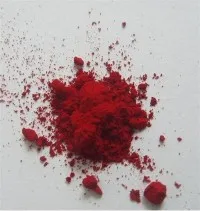


Micro brucite powder represents a specialized form of magnesium hydroxide that has transformed industrial manufacturing across multiple sectors. This ultrafine mineral powder, characterized by particle sizes typically below 5 micrometers, delivers exceptional performance in flame retardancy, environmental remediation, and functional material applications. Industries increasingly demand micro brucite powder due to its non-toxic nature, superior thermal stability, and halogen-free composition, making it an essential raw material for manufacturers seeking sustainable alternatives that meet stringent safety and environmental regulations while maintaining competitive pricing and consistent supply reliability.

Understanding Micro Brucite Powder: Properties and Composition
Chemical Composition and Purity Standards
The main chemical in micro brucite powder is its high-purity magnesium hydroxide content, which is usually more than 95% Mg(OH)₂. Micro-grade materials are different from regular mineral powders because they go through a lot of steps to get rid of impurities like calcium carbonate, silicates, and iron oxides. Even small amounts of these contaminants can hurt the performance of important materials and processes, such as low-smoke halogen-free cable compounds and precision coatings.
X-ray fluorescence (XRF) research and inductively coupled plasma (ICP) spectroscopy are used to make sure that the quality of the products is very high. Leading suppliers keep batch-to-batch consistency within ±0.3% variation. This solves the problem of quality fluctuations that cause production schedules to get thrown off and require expensive formula changes. This consistency is especially important for people who make masterbatches and coatings and need to know how the material will behave over long production runs that last months or years.
Physical Properties Influencing Performance
How well micro brucite powder works in composite systems is largely based on how the particle sizes are distributed. The D50 value of "micro" products is usually between 1.5 and 3.5 micrometres, but new processing methods can now get D50 values below 2 micrometres. Several performance qualities are greatly improved by these nano particle shapes.
The way something breaks down thermally is a very important specification. Endothermic breakdown starts in good micro brucite powder around 330°C. It takes in a lot of heat energy and gives off water vapour that makes flammable gases less dense. Compared to other mineral flame retardants, this two-action system puts out fires more effectively. Surface area measures, which are usually between 8 and 15 m³/g, are directly linked to how reactive something is in neutralisation situations and how well it spreads out in polymer matrices.
Changing the surface through coating processes improves efficiency even more. Titanate esters, silane binding agents, or fatty acid coats make it easier for hydrophobic polymer systems to work with each other and stop moisture from absorbing. Technical buyers should be clear about the type of surface treatment and the amount of coverage, as these factors have a big effect on the finished products' mechanical qualities and how they can be processed.
Environmental and Safety Profile
A lot of people in developed markets are interested in micro brucite powder because it helps them follow the rules. The substance is not classified as dangerous by REACH, OSHA, or GHS systems. This means that it doesn't have to be handled or thrown away in the complicated ways that halogenated alternatives do. This regulatory advantage means lower insurance costs, easier worker safety programs, and faster product approvals in industries that are regulated.
Environmental lifecycle assessments always show that mineral-based flame retardants are better. Getting natural brucite rock out of the ground and processing it takes a lot less energy than making chemical flame retardants in a lab. The stuff stays chemically stable in landfills and doesn't pollute groundwater, which meets the needs of more and more companies that have to be environmentally friendly and follow the ideals of the cycle economy.
Core Industrial Applications of Micro Brucite Powder
Flame Retardant Systems for Cables and Wires
As standards around the world move toward low-smoke halogen-free (LSHF) cables, there is a big need for high-performance micro brucite powder. Many international standards, like IEC 60754, IEC 61034, and UL 2556, have strict rules about how much smoke, corrosive gases, and flames can spread. Regular materials have a hard time meeting these rules without losing their mechanical properties.
These days, LSHF mixtures usually have 50 to 65% micro brucite powder by weight in polyethylene or ethylene-vinyl acetate bases. The ultrafine particle size keeps the cable's flexibility and tensile strength while meeting UL94 V-0 standards and keeping oxygen index values below 28%. Consistent particle size distribution is important for cable manufacturers who work with data centers, transportation infrastructure, and high-rise construction projects to avoid problems during processing like die buildup and surface defects.
Technical experts at places that make cables have to deal with constant problems trying to find the best balance between flame resistance, mechanical performance, and processing costs. Micro brucite powder with a well-treated surface and a narrow particle size distribution lets you add it to amounts that meet fire safety standards while still keeping the right impact strength and elongation at break. This mix of performance is important for uses that need both safety certification and long-term mechanical dependability.
Wastewater Treatment and Environmental Remediation
Industrial wastewater treatment plants use micro brucite powder's alkaline neutralisation ability to handle streams of acidic waste water. The waste water from chemical plants, metal finishing shops, and mines usually has a pH level below 3.0, so it needs to be neutralised a lot before it can be released or treated biologically.
In this case, micro brucite powder has benefits such as controlled pH rise without the harmful exothermic reactions that come with caustic alternatives, less sludge volume compared to calcium-based neutralisers, and a magnesium content that helps the biological treatment processes that follow. The small particle size makes sure that the reaction and dissolution happen quickly, which lets the reaction tanks be smaller and the holding times be shorter.
Managers in charge of buying things need to think about more than just the unit price when they are looking at neutralisation agents. Micro brucite powder costs more than farm lime, but the lower costs of getting rid of sludge, better safety, and better process control usually make it worth it. Advanced grades with particles smaller than 2 micrometres work especially well in systems that need to neutralise continuously and respond quickly to changes in pH.
Construction Materials and Fire-Resistant Composites
Micro brucite powder is used by companies that make building products to make fire-resistant panels, mineral boards and other speciality building materials for the industrial and public markets. Mineral flame retardant systems are being used more and more in aluminium composite panels for high-rise cladding to get non-combustible ratings. This is a market segment that is getting a lot of attention from regulators after a number of high-profile fires.
The material makes it more resistant to fire without making it much denser or harder to work with. Interior dividers, ceiling tiles, and artistic laminates can all benefit from the ability to block smoke during a fire, which is an important safety factor to keep in mind in public buildings. Depending on the substrate material and target fire rating, loading levels are usually between 20% and 40% by weight.
For building uses, technical requirements stress resistance to moisture and stability in size. The surface of high-quality micro brucite powder is treated to keep it from absorbing too much water. This keeps the powder's shape and fire performance stable over its entire service life. Third-party fire tests are a good way for suppliers to show that they consistently meet the needs of this market segment. They must also offer full technical support during the product development and certification processes.
Specialty Applications in Polymer Compounding
Micro brucite powder is used by masterbatch makers in the plastics industry as a multipurpose addition that can help prevent fires, stop smoke from spreading, and fill gaps in materials without spending a lot of money. Optimised micro brucite powder grades are useful for polypropylene compounds used in cars, polyethylene formulations for covering wires and cables, and industrial polymer mixes for electrical housings.
The very small grain shape keeps the surface finish and mechanical qualities from being affected too much, which is a problem with regular mineral fillers. People who work with injection moulding really like how this mineral powder doesn't wear down processing equipment as quickly and easily as smaller mineral powders do. Colour retention is another benefit, as the white colouring in high-purity micro brucite powder makes it easier for bright colours to form and lowers the need for titanium dioxide.
Micro brucite powder is being used in new ways in rubber compounding to make conveyor belts, sealing systems and transportation parts less likely to catch fire. Together, the material and regular rubber chemicals work better, and it also helps keep smoke down and toxic gases from being released during combustion. Manufacturers of technical rubber goods like how safe it is to process compared to halogenated options and how well it works with strict environmental standards in export markets.
Comparative Insights: Why Choose Micro Brucite Powder?
Performance Advantages Over Alternative Materials
When you directly compare it to aluminium hydroxide, which is the most common other natural flame suppressant, you can see that it works very differently. Micro brucite powder starts to break down at around 330°C, while aluminium hydroxide only breaks down at 200°C. This gives high-temperature plastics more processing options. 31% of the weight is released as water, compared to 35% for aluminium hydroxide. However, the higher breakdown temperature often leads to better flame suppressant performance at the same loading levels.
Chemical flame retardants, such as brominated and phosphorus-based materials, work well at lower loading levels to keep fires from spreading, but they are poisonous, produce smoke, and stay in the environment for a long time. Regulatory trends in North America, Europe, and more and more Asia-Pacific markets favour systems without halogens. This is pushing the switch to mineral-based solutions. Micro brucite powder meets the needs of this changing market and is more affordable than speciality organic flame retardants.
The difference in particle size between standard magnesium hydroxide and micro-grade materials has a big effect on how well they mix and how the finished product behaves. Standard grades with median particle sizes above 5 micrometres need higher loading levels to have the same amount of flame retardancy. This makes the mechanical qualities worse and makes processing more difficult. Micro grades give better dispersion, lower viscosity rise during mixing, and better surface look in goods that are moulded or extruded.
Economic Considerations and Total Cost Analysis
When buying micro brucite powder, people in charge of procurement need to look at more than just the price per kilogram. Even though ultrafine grades cost more, the improved performance traits allow formula optimisation that lowers total material costs. For example, less titanium dioxide is needed because the material is so white, processing temperatures are lowered because the material flows better, and the amount of scrap is reduced because the dispersion quality is so good.
Supply chain economics are moving more and more in favour of flame retardants made from minerals. The prices of synthetic chemical substitutes' raw materials change a lot because they depend on petroleum feedstocks and speciality chemical intermediates. The price of natural brucite ore is more stable, and mining companies that have been around for a while provide long-term supply security that lowers the risk of buying it. This supply stability is especially helpful for companies that use just-in-time production plans and lean inventory systems.
Quality Assurance and Supplier Selection Criteria
When technical buyers are looking at micro brucite powder providers, they should put processing skills and the security of the ore source at the top of their list. Mineral-based products depend on stable ore quality, so it's important for suppliers to have access to stable, high-purity reserves for long-term partnerships. Suppliers with more than one ore source or strategic reserves offer more supply security than those with only one source, which can be affected by changes in the ground or changes in regulations.
Processing technology has a direct effect on the quality and accuracy of the result. Premium suppliers are different from commodity traders because they have advanced jet milling systems, accurate classification equipment, and advanced surface treatment capabilities. Quality certifications like ISO 9001, ISO 14001, and industry-specific standards give buyers a basic level of peace of mind, but they should also do on-site audits and ask for detailed process flow documentation to make sure the company can actually make the goods.
Technical help skills are an important but often forgotten selection factor. Transactional product suppliers don't offer nearly as much value as suppliers who help with application development, recipe optimisation, and quick technical problem-solving. This professional relationship is especially helpful when making new products, fixing problems with processes, and making sure that regulations are being followed.
Procurement Guide for Micro Brucite Powder in B2B Markets
Strategic Sourcing Considerations
Depending on the supplier's size and the type of market, the minimum order quantity for micro brucite powder is usually between 1 and 5 metric tonnes. For foreign purchases, container-load shipments (about 20–22 metric tonnes) are the most cost-effective way to ship goods, but regional suppliers may be able to handle smaller amounts for testing reasons. For standard grades, lead times are between 2 and 4 weeks. For custom surface treatments or particle size distributions, they are between 6 and 8 weeks.
There are different types of packaging, such as 25 kg multi-wall paper bags, 500 kg jumbo bags, and bulk shipping in special containers or tanker trucks for customers who buy a lot. The choice of packaging affects how easily and quickly materials can be moved, how much space they need to be stored, and any quality problems that might arise from moisture absorption during transport. For humid areas, purchasing managers should ask for packaging that won't absorb moisture and think about the total cost of logistics, which includes the cost of handling labour and the use of storage space.
Payment terms in the market for micro brucite powder are usually normal for business-to-business transactions. For new deals, letter of credit arrangements are used, and for long-term relationships, open account terms are used. Price structures can include discounts for buying in bulk, contract pricing for long-term supply agreements, and ways to change prices based on ore commodity indices. To avoid disagreements and speed up the receiving process, buyers should agree on clear quality acceptance standards and sampling methods.

Evaluating Supplier Capabilities
Careful consideration should be given to a supplier's financial stability and working size. Companies that have specific mining operations, processing sites that work together, and well-established transportation networks show that they want to stay in the market for a long time. Financial signs like an organization's working experience, production capacity, and variety of customers can show how long it will last and how well it can handle market cycles.
Global distribution and regional warehouse networks make the supply chain more flexible and lessen the variation in lead times. Suppliers who keep stock in key markets can meet urgent orders and provide consistent delivery performance that helps with planning production. This geographic presence is especially helpful for companies that have more than one production spot and need to organise the supply of materials.
Protocols for quality assurance should include thorough testing of materials when they are received. Particle size distribution can be checked with laser diffraction, purity levels can be checked with chemical analysis, and the pH value, moisture content, and particle size distribution should all be checked. Including clear sampling guidelines and acceptance criteria in buy deals keeps production from being interrupted by material that doesn't meet specifications, which can be very expensive.
Building Long-Term Supplier Relationships
Because micro brucite powder is used in a lot of different ways and stable quality is so important, partnerships with suppliers are more than just transactions. Partnerships that work together make it possible to improve processes, find the best formulas, and manage supply chain risks before they happen. Leading companies often pick their favourite suppliers and work with them on joint development projects that give them a competitive edge by using their own special recipes and methods for processing.
Since 2003, Henghao Technology Development (Hangzhou) Co., Ltd. has worked with industrial markets around the world, learning a lot about how to process mineral powder and come up with new uses for it. Our vertically integrated operations, which include sourcing ore, using advanced milling technologies, and treating the surface, make sure that the quality and consistency that procurement professionals need. We work with makers to improve formulations, solve processing problems, and make sure they have a steady supply of materials that doesn't affect production plans. We do this by offering full technical support services and established distribution networks in 33 countries. Technical teams work closely with customers to meet the needs of specific applications, such as projects to clean up the environment or make systems that don't catch fire. This strategy, which is focused on applications, delivers solutions instead of goods, providing long-term value that goes beyond competitive pricing.
Future Trends and Innovation in Micro Brucite Powder Applications
Regulatory Drivers and Market Evolution
Global regulations are making it harder to use halogenated flame retardants and dangerous chemical additives. This is making people want mineral-based alternatives even more. The REACH rules in the European Union, Proposition 65 in California, and changing standards in Asian markets all have an effect on how products are developed around the world. Manufacturers who change the ingredients in their goods ahead of time to adapt to new rules see micro brucite powder as an easy-to-use option that saves them money on future changes.
Certain green building certifications, like LEED, BREEAM, and WELL Building Standard, use fire safety and material health standards that favour mineral flame retardants. More and more, construction product companies that are going after high-end commercial projects are specifying halogen-free systems to get certification credits and meet architect requirements. This trend goes beyond fire-rated parts and includes finishes, furniture, and building systems whose fire performance affects the general safety of the building.
Technological Innovations in Processing and Performance
Nano-structured magnesium hydroxide materials with particle sizes below 100 nanometres can now be made with better processing technologies, but these are still specialised goods that aren't widely used in industry. More important right now are new developments in surface modification chemistry that make materials better able to work with a wider range of polymer systems and resist water better. When you mix silane binding agents with speciality polymers, you get hybrid coating systems that work better in tough situations.
Micro brucite powder mixed with organic phosphorus compounds or nitrogen-containing additives has been studied and shows promise as a flame retardant system. These hybrid methods give the same fire performance with lower total loading levels. They keep the mechanical qualities and processing characteristics of systems that are mostly made of minerals while keeping the environmental benefits of those systems. These new ideas help solve the long-standing problem of how to balance fire safety with material efficiency.
Strategic Recommendations for Industry Stakeholders
Manufacturers should compare the recipes they use now to new rules and pressures from competitors related to green claims. Early use of mineral-based flame protection systems can help you stand out in the market and keep you from having to change your products in response to government pressure. Using sources with strong technical skills during product development speeds up the time it takes to get a product to market and improves the performance of the formula.
Organisations that buy things should build strategic relationships with a number of qualified sellers to make sure they have a steady supply of goods and to keep the competition high, which leads to ongoing improvement. Diversifying your buying across different areas lowers the risks that come with regional supply problems, changes to regulations, or the depletion of ore reserves. Setting clear quality standards and procedures for checking ensures that materials work the same way no matter where they come from.
Putting money into application development and technical know-how gives businesses an edge in markets where performance is becoming more important than price alone. Companies that know a lot about the basics of material science, the links between processing structure and property, and the needs of specific applications can make better goods and get into top market segments. This technical know-how should be available to everyone in the company, from the people who buy materials to the people who make things and make sure the settings for processing are perfect.
Conclusion
Micro brucite powder is very useful in many industrial settings where flame resistance, environmental safety, and processing performance all need to work together. The information covers important buying issues like following rules, keeping the supply chain stable, and lowering total costs, all of which are important for gaining a competitive edge in global markets. Technical knowledge of how particle size affects performance, purity needs, and performance criteria specific to an application lets you choose a supplier wisely and make the best formula possible. Micro brucite powder is a key material for responsible manufacturing because regulations are pushing for more halogen-free materials and buyers are thinking about the environment when they buy things. Strategic connections with highly skilled sellers make sure that you can always get high-quality materials and application knowledge that turn raw materials into competitive advantages.
FAQ
Q1: What advantages does micro brucite powder offer compared to standard magnesium hydroxide?
A: The main difference is the spread of particle sizes and how well they work as a result. Micro brucite powder with particles smaller than 3 micrometres on average disperse better in polymer materials, allowing the same amount of flame retardancy at lower loading levels. Compared to normal grades with particles bigger than 5 micrometres, this finer morphology has less of an effect on mechanical qualities, makes the surface finish better, and speeds up the processing. Because they have more surface area, micro grades also have faster reaction rates in neutralisation uses.
Q2: How does micro brucite powder compare to chemical flame retardants environmentally?
A: Mineral-based flame retardants are much better for the earth than halogenated and some organic options. The substance is not classified as dangerous, doesn't release any harmful byproducts when it breaks down in fire, and doesn't have any environmental persistence or bioaccumulation potential. Regulatory bodies around the world prefer systems that don't use halogens, and lifecycle assessments consistently show that mining and processing minerals has less of an impact on the environment than making synthetic chemicals.
Q3: What factors should buyers prioritize when selecting micro brucite powder suppliers?
A: Some important things to look for in a supplier are a stable ore source that can guarantee a steady supply over the long term, processing capabilities that determine the consistency of the product, technical support skills that help optimise applications, and quality assurance systems that are checked through certifications and testing protocols. Buyers should look at a supplier's financial stability, production capacity, ability to distribute goods geographically, and experience working with similar industry groups in the past. Creating strategic ties with suppliers that offer full technical help is more valuable than just doing business with them and focusing on price.
Partner with a Trusted Micro Brucite Powder Supplier
To gain a long-term competitive edge, you need materials that consistently perform and adapt to changing market and regulatory needs. Henghao Technology Development (Hangzhou) Co., Ltd. has been working with mineral powder for more than 20 years and has fully combined its operations, which guarantees high quality products and a steady supply. Our micro brucite powder is used in high-stress areas like flame retardant systems, environmental technologies, and speciality compounding. Its precision and technical performance set luxury goods apart from cheaper options.
When you work directly with a factory, you avoid the markups that come from middlemen and can keep strict quality control that protects your production plans and product image. Technical teams offer full application support throughout the whole process of making a product, from optimising the recipe in the beginning to increasing output and improving the process all the time. Our skills allow us to provide materials that help you succeed, whether you need standard grades for common uses or custom solutions to meet specific performance needs.
Email us at info@henghaopigment.com to talk about your unique needs and find out how our micro brucite powder manufacturer skills add value above and beyond the price of a product. To test how well the materials work in your recipes, ask for technical data sheets, application guides, and sample materials.
References
1. Fire Safety Engineering Research, "Comparative Analysis of Mineral and Chemical Flame Retardants in Polymer Systems," Journal of Materials Science and Fire Protection, 2022.
2. International Cable Standards Consortium, "Technical Guidelines for Low-Smoke Halogen-Free Cable Compounds: Material Selection and Performance Verification," Industry Standards Publication, 2021.
3. Environmental Protection Materials Institute, "Lifecycle Assessment of Flame Retardant Additives: Environmental Impact Comparison Study," Sustainability Research Quarterly, 2023.
4. Advanced Polymer Processing Technology, "Particle Size Effects on Mechanical Properties and Fire Performance in Filled Thermoplastic Systems," Polymer Engineering Journal, 2022.
5. Industrial Water Treatment Association, "Alkaline Neutralization Agents: Performance and Economic Analysis for Wastewater Management Applications," Environmental Engineering Review, 2021.
6. Construction Materials Fire Safety Council, "Mineral Flame Retardants in Building Products: Regulatory Compliance and Performance Standards," Building Safety Technical Report, 2023.