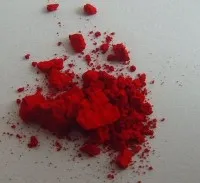


Nozzle clogging during manufacturing operations remains one of the most frustrating challenges for production managers and technical engineers working with Carbon Black Pigment. This ultra-fine elemental carbon material delivers exceptional color intensity, UV stability, and electrical conductivity across ink, coating, and plastic applications, yet its tendency to agglomerate creates significant operational headaches.
Effective dispersion techniques address this pain point by breaking down particle clusters, stabilizing suspensions, and ensuring consistent flow through spray nozzles, printing heads, and extrusion dies. When dispersion protocols fail, manufacturers face costly downtime, batch inconsistencies, and compromised product quality that directly impact profitability and customer satisfaction.

Understanding Carbon Black Pigment and Nozzle Clogging Problems
The Nature of Carbon Black Pigment in Industrial Applications
Carbon Black Pigment is a special kind of basic carbon that was made for commercial uses that don't involve rubber. When pigment-grade carbon materials are made, they are carefully controlled so that the main particles are the right size, which can be anywhere from 10 nanometers for high-color uses to 80 nanometers for tinting.
When furnace black is made, it makes complicated aggregate structures that have surface areas that can be more than 1000 m²/g, as measured by BET analysis. Particles naturally stick together because of Van der Waals forces, which are caused by this huge surface energy. This makes dispersion problems that are common in industrial operations.
Root Causes of Nozzle Blockage During Production
Nozzle clogging happens when pigment aggregates re-form after the first mixing, making particles big enough to block flow channels that are too narrow. The trend is caused by a number of linked factors that process engineers and buying teams need to understand. When the particles with a lot of surface area aren't wet enough, dry pigment cores are left inside dispersant layers that are only loosely connected.
During storage, changes in temperature can change the viscosity profiles, which lets the settled particles pack together into hard cakes. When the amounts of resin to color are wrong, systems don't have enough carrier fluid to keep particles separate. When production stops to clean the nozzles, materials are wasted, labor costs go up, and delivery dates are missed, all of which hurt the company's ability to compete in price-sensitive markets.
Financial Impact on Manufacturing Operations
Production data from coating and ink makers shows that nozzle clogging can lower the overall efficiency of equipment by 15 to 30 percent in places that don't have strong dispersion protocols in place. A medium-sized printing company that has three clogging incidents per shift loses about 45 minutes of production time every day, which adds up to almost 200 hours a year.
When you look at how much an hour of work costs and how much these breaks cost, you can see that they have big hidden costs that are directly related to the choices you make about color quality and dispersion additives. As technical teams become more aware of these practical pain points, they put more emphasis on supplier partnerships that offer not only low prices but also application support and stability from batch to batch.
Limitations of Traditional Dispersion Methods and Emerging Solutions
Shortcomings of Conventional Mixing Approaches
Traditional ways of dispersing pigments, like simple propeller mixing or ball milling, don't always work well with the specific needs of fine Carbon Black Pigments. Standard mixing tools don't create enough shear forces to break up the tightly bound main particle aggregates.
This leaves behind big clumps that settle quickly and block valves while they're being used. Ball milling reduces particle sizes better, but it takes a long time to work and there is a chance of contamination from worn grinding media. The differences between batches that come with manual mixing methods make it hard to keep an eye on quality and make it harder to figure out what's wrong when problems with clogging happen during production runs.
Advanced High-Shear Dispersion Technologies
High-shear mixing equipment is a big step forward for processors who are having trouble dispersing carbon black. The rotor and stator setups in these systems work at tip speeds of more than 20 meters per second, creating strong hydraulic shear forces that break up agglomerates very quickly. The mix of high shear and turbulent flow patterns reduces particle sizes in a way that traditional mixing can't.
Dispersion cycles finish in 15 to 30 minutes, compared to several hours for traditional methods. Manufacturers who use high-shear technology say that nozzle clogging incidents have dropped by 60–80%. They also say that color development and gloss levels have improved, which makes the finished product look better.
Ultrasonic Dispersion for Submicron Particle Stability
High-frequency sound waves (usually 20–40 kHz) are used in ultrasonic treatment to create cavitation bubbles in color solutions. When these tiny bubbles pop, they release pressure waves that are stronger than 1000 atmospheres and can break up even the toughest carbon black clumps. This technology works especially well for specialty applications that need very fine particle size distributions in small batches.
Manufacturers of automotive coatings have shown that ultrasonic pre-treatment lowers the Hegman fineness-of-grind readings from initial values of 4-5 to final specifications below 7. This makes sure that the spray application goes smoothly and that the tip doesn't get clogged, even when using high-precision HVLP equipment.
Core Dispersion Techniques to Prevent Nozzle Clogging
Mechanical Dispersion Methods and Process Parameters
For accurate dispersion results, you need to carefully manage a number of mechanical process variables that have a direct effect on how particles break up and stay together. The final particle size ranges depend on the mix speed, time, and shape of the vessel. To get the most out of high-shear dispersion techniques and keep working costs as low as possible, technical teams should make sure they follow these important rules:
Rotor-Stator Gap Optimization: Keeping the gap clearances between 0.1 and 0.5 mm makes the strong shear fields needed to break up the gravel while keeping the equipment from getting damaged by particle grinding. Tighter gaps make shear stronger, but they need to be maintained more often.
Processing Temperature Management: Keeping batch temperatures between 25°C and 40°C stops viscosity rises that happen too quickly and make mixing less effective. This also keeps heat-sensitive glue systems from breaking down. During long dispersion cycles, jacketed vessels with recirculation cooling keep their thermal profiles constant.
Sequential Addition Protocols: Adding pigments slowly to surfactant solutions that have already been mixed works better for drying than pouring in large amounts of pigments all at once. This staged method makes it less likely that big clumps will form that are hard to break apart later.
Dispersion programs that work are built on these mechanical techniques. However, for them to be fully implemented, they need to be constantly checked against target specifications by analyzing particle size and testing viscosity across all production batches.
Chemical Dispersion Strategies and Additive Selection
After mechanical dispersion breaks up main aggregates, chemical dispersants provide the stabilizing forces that stop re-agglomeration. These specialty additives work by stopping particle-to-particle contact through steric hindrance. Polymer chains attached to the surfaces of pigments act as physical barriers. In order to choose the right dispersant chemistry, the solubility parameters of the additive must be matched to the carrier resin system. This is true whether the system is solvent-based, water-based, or 100% solids.
Oxidized Carbon Black Pigment grades with surface functional groups like carboxyl and phenolic structures work better with polar dispersants. This makes them better for use in water-based ink and coatings. These surface-treated versions have more than 2% volatile content, while normal grades have less than 1%. This is because they contain oxygen-containing groups that make them more wet. On the other hand, non-polar plastic compounding uses non-oxidized pigments that mix better in hydrocarbon-based carrier systems that have dispersants with lower polarity.
The best amount of dispersant is usually between 40 and 80% of the pigment weight. The exact ratios are found by testing the viscosity stability over time in the lab. Not adding enough surfactant can cause flocculation and settling, while adding too much can make foam and film flaws that hurt the performance of the coating.
Equipment Maintenance and Quality Control Protocols
For nozzles not to get clogged, strict maintenance schedules are needed to deal with equipment wear and contamination buildup before they affect the quality of the dispersion. Every day, check the screen pack filters that protect the extrusion nozzles and replace them if the differential pressure goes up, which means that particles are building up.
Spray nozzle orifices need to be looked at under a microscope once a week to find early signs of deposit buildup that happen before they become completely blocked. Cleaning the dispersion equipment between products keeps it from getting contaminated, which can cause stability issues when leftover colors mix with new formulas.
Quality control labs should set up regular testing plans to check for important dispersion measures like Hegman fineness-of-grind, particle size distribution by laser diffraction, and viscosity stability over 7–14 days. At these analytical checkpoints, problems are found before they get to the production lines. This lets the problems be fixed quickly and cheaply, avoiding costly clogging events and loss.
Selecting the Right Carbon Black Pigment for Optimal Dispersion
Comparing Pigment Grades and Their Dispersion Characteristics
On the market for carbon black, there are a lot of different grade classifications that are very different in how they spread and how well they work with different manufacturing processes. Furnace black types are most common in industrial settings because they are cheap and easy to find. Particle sizes range from 15 to 100 nanometers, based on how they were made. Channel black grades are more expensive, but they have better jetness and blue undertones that are wanted for high-end automotive finishes and consumer electronics where deep black looks are valued highly.
It's easier for dispersant molecules and carrier fluids to get into high-structure pigments with complex aggregate branching patterns because their architecture is more open. These grades have OAN values higher than 120 ml/100 g, which means that there are a lot of empty spaces in the aggregate structures. Lower-structure variants with an OAN below 80 ml/100g pack more densely and need stricter dispersion protocols to get the same particle size reductions, but they let higher loading levels be used in the final formulations.
Pigment vs. Dye: Critical Distinctions for Industrial Buyers
When looking for black colorants, purchasing managers sometimes get confused about the differences between pigment and dye classifications. While dyes break down molecularly in carrier systems, pigments stay as separate particles that need to be spread out and kept stable to keep them from settling and getting clogged. Due to this fundamental difference, Carbon Black Pigment needs complex processing tools and additives, while dyes can be dissolved by stirring them. Because pigments are made up of particles, they are better at blocking light, resisting chemicals, and being opaque than dyes. This is why they are used so much in industrial paints, plastics, and inks, even though they are more difficult to process.

Supplier Evaluation Criteria for Long-Term Partnerships
Setting up reliable supply lines for Carbon Black Pigment takes more than just comparing prices when looking at suppliers. Quality consistency, which is measured by testing incoming shipments carefully, protects against differences between batches that mean process changes have to be made all the time.
Professional buyers should ask for detailed technical data sheets that show the amount of dust on the screen (usually less than 20 ppm for 325 mesh), the tinting strength (as measured by ASTM D3265), and the OAN values (as measured by ASTM D2414). These specs make it possible to accurately predict how the color will behave when it is mixed and used.
Certifications that show suppliers meet industry standards are another way to be sure they can be trusted. ISO 9001 quality management systems show that formal process controls are in place, and environmental certifications deal with issues that are becoming more and more important to multinational corporations, like sustainability. Documentation of PAH content is necessary for uses that need to follow the rules, even though industrial-grade colors are usually not used in food-contact situations, which are where the rules are strictest.
Procurement and Supply Chain Insights for Carbon Black Pigment Buyers
Strategic Bulk Purchasing and Inventory Management
In order to manage the procurement of Carbon Black Pigment, it is necessary to strike a balance between the costs associated with carrying inventory and the possibility of supply problems that stop production lines. When compared to small-lot sales, buying in bulk usually results in cost savings of 15–25%. Savings get even bigger for yearly contracts that cover more than multiple container loads. For specialty grades, the minimum order quantity is usually one metric ton. For commodity grades, it may be 5–10 tons in order to get the best price models that protect profit margins in competitive markets.
Lead times from foreign sources are usually between 30 and 60 days, which includes planning the production, shipping by ocean, and clearing customs. Domestic warehousing programs from well-known distributors cut delivery times to 5 to 7 days, but they charge more because they have to pay to store the goods. When comparing suppliers, procurement teams should look at the total landed costs, which include freight, taxes, and financial charges. This is because the lowest FOB price is often not what it seems when all the costs in the supply chain are added up.
Supplier Partnership Benefits Beyond Price Competition
Building long-term partnerships with skilled Carbon Black Pigment suppliers has benefits that go far beyond offering low unit prices. Technical support services help fix problems with dispersion and make formulations work better, which means that less internal engineering work is needed to meet production goals. Application labs can test on systems made just for the customer to find the best mixtures of pigment grades and dispersants before making big purchases that lock in a lot of capital.
When problems arise out of the blue during production efforts, the quality of the after-sales service becomes very important. Respondent providers send test samples quickly, quickly replace materials that don't meet specifications, and offer open payment terms that make it easier to manage cash flow when demand changes. These partnership qualities are especially helpful for mid-sized makers that need the same level of technical know-how to succeed in global markets but don't have the negotiating power of industry giants.
Safe Handling and Logistics Best Practices
Carbon Black Pigment needs to be handled carefully at every step of the supply chain to keep the quality high and keep workers safe. Because the particles are so small, they can explode in small areas with sources of ignition. This is why proper grounding procedures and explosion-proof electrical equipment are needed in processing areas. Wearing protected gear, like respirators, keeps you from breathing in harmful particles when you're emptying trash bags or cleaning tools. This helps protect your health at work, as required by safety rules.
The choice of packaging affects both how well the material stays fresh and how easily it can be handled. Multi-wall paper bags with polyethylene liners protect against moisture well enough for most uses. Standard package sizes of 25 kg strike a good balance between ease of handling and too much packing trash. Shipping in one-ton supersacks saves money on shipping and makes warehouse work easier, but they need special lifting and storing systems.
Temperature-controlled shipping isn't needed for Carbon Black Pigment because it doesn't change when it comes to temperature. However, keeping it dry during ocean freight transport keeps the quality from dropping, which makes further distribution more difficult.
Conclusion
The key to using Carbon Black Pigment successfully in all industrial manufacturing sectors is to use effective dispersion techniques. When technical teams use high-shear mixing protocols, the best chemical dispersant strategies, and strict quality control procedures, nozzle clogging events that used to mess up production plans and raise costs can be almost completely eliminated.
By choosing the right pigment grades for the job and forming strategic partnerships with suppliers that focus on quality control and technical support, you can gain competitive advantages that go far beyond just looking at how much the materials cost. Manufacturing professionals who take the time to learn these dispersion principles and keep improving their processes will get better products, more efficient production, and a stronger position in the market.
FAQ
How frequently should we clean nozzles to prevent clogging issues?
When you should do maintenance depends a lot on the quality of your dispersion and the amount of color that is loaded. When Carbon Black Pigment is properly fixed and spread out, systems can work for days or weeks without needing to be cleaned, but when materials aren't spread out properly, they get clogged within hours. Using magnification for daily eye checks helps find early deposits before they completely block the pipe. Setting baseline cleaning intervals based on actual production data and then making changes based on observed performance trends is the most cost-effective way to do maintenance that balances the risks of losing production with the cost of labor.
What dispersant types work best for carbon black applications?
The dispersant you choose will depend on the chemistry of your carrier system and how you treat the pigment's surface. Anionic or non-ionic surfactants with hydrophilic head groups are often used in water-based formulas to keep oxidized carbon black grades stable. Polymeric dispersants with anchor groups that work with pigment surfaces and solvating tails that match the polarity of the transport fluid are helpful in solvent-based systems. Controlled molecular weight distributions in hyperdispersants give better performance, which justifies their higher price, in demanding applications that need long-term stability against settling and re-agglomeration, which causes nozzles to get clogged.
Does pigment particle size directly correlate with clogging frequency?
Smaller primary particle sizes mean more surface area, which means more aggressive dispersion methods are needed. However, the link between particle size and clogging is more complicated than a simple connection. When fine pigments are spread out evenly, they can easily pass through small holes. But when coarse materials are spread out unevenly, they get stuck even though they have less surface energy. The most important thing is still dispersion quality, which is measured by particle size distribution analysis instead of just pigment grade specifications. If you can get particle sizes below 5 microns, your system almost never gets clogged, no matter what the starting color is like.
Partner with a Trusted Carbon Black Pigment Supplier
Henghao Technology Development (Hangzhou) Co., Ltd has been providing high-quality pigments, fillers, and additives to manufacturers in 33 countries around the world for more than 20 years. Our expert team knows the most important dispersion problems that ink, coating, and plastics makers face. They can help by giving application-specific advice that keeps nozzles from getting clogged and improves color performance and production efficiency. We follow strict quality control procedures that make sure consistency from batch to batch. This gets rid of the troubleshooting problems that producers have when they count on providers whose quality varies.
Email our knowledgeable staff at info@henghaopigment.com to talk about your specific needs, get technical datasheets, or set up shipments of samples for testing. Find out why top makers choose Henghao as their Carbon Black Pigment supplier: they offer a reliable supply, cheap factory-direct prices, and quick technical support that helps your business succeed. You can look at our full line of products at henghaocolor.com and start forming a relationship with us that will turn your pigment buying from a hassle into a competitive edge.
References
1. Herbst, W., and Hunger, K. (2004). Industrial Organic Pigments: Production, Properties, Applications. Wiley-VCH Verlag GmbH, Weinheim, Germany.
2. Xing, C., Dahn, J.R. (1997). "Studies of Lithium Insertion in Heat-Treated Carbon Blacks," Journal of the Electrochemical Society, Vol. 144, No. 4, pp. 1195-1201.
3. Donnet, J.B., Bansal, R.C., and Wang, M.J. (1993). Carbon Black: Science and Technology. Marcel Dekker Inc., New York.
4. Patton, T.C. (1979). Paint Flow and Pigment Dispersion: A Rheological Approach to Coating and Ink Technology. John Wiley & Sons, New York.
5. Wypych, G. (2016). Handbook of Fillers, 4th Edition. ChemTec Publishing, Toronto, Canada.
6. ASTM International (2020). ASTM D3265-20: Standard Test Method for Tinting Strength of Carbon Black by Visual Observation. ASTM International, West Conshohocken, PA.