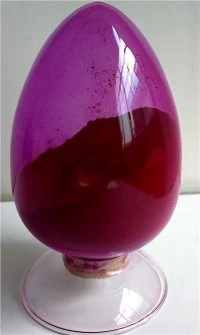

Hey there! As an ink pigment supplier, I've seen firsthand how the interaction between ink pigments and different types of paper can make or break a printing project. In this blog, I'm gonna dive deep into this fascinating topic, sharing some insights and tips I've gathered over the years.
Basics of Ink Pigments
First off, let's talk about what ink pigments are. Pigments are tiny particles that give ink its color. They're insoluble in the liquid medium of the ink, which is different from dyes that dissolve. There are all sorts of pigments out there, from organic ones made from carbon-based compounds to inorganic ones like metal oxides.
We offer a wide range of pigments, like Pigment Orange 13 for Inks, Pigment Red 49:1 for Inks, and Pigment Violet 1 for Inks. Each pigment has its own unique properties, such as color strength, lightfastness, and chemical stability.
How Paper Affects Pigment Interaction
The type of paper you use plays a huge role in how the ink pigments interact. Different papers have different surface characteristics, absorbency levels, and pH values, all of which can impact the final print quality.
Surface Smoothness
Smooth papers, like coated papers, have a very even surface. This allows the ink to spread evenly, resulting in sharp and vibrant prints. The pigments can sit on the surface without being absorbed too deeply, so the colors look more intense. On the other hand, rough papers, like uncoated or textured papers, can cause the ink to spread unevenly. The pigments might get caught in the paper's fibers, leading to a less sharp image and a more muted color.


Absorbency
Absorbency is another key factor. Highly absorbent papers, such as newsprint, soak up the ink quickly. This can be good in some cases because it prevents smudging. However, if the paper absorbs too much ink, the pigments can be diluted, and the colors might look washed out. Less absorbent papers, like glossy photo paper, hold the ink on the surface for longer. This gives the pigments a chance to dry properly and maintain their color intensity.
pH Value
The pH value of the paper can also affect the ink pigments. Acidic papers can react with some pigments, causing them to fade or change color over time. Alkaline papers, on the other hand, are generally more stable and can help preserve the pigments' color. That's why archival papers, which are designed to last a long time, are often alkaline.
Specific Pigment - Paper Combinations
Let's take a look at how different pigments interact with various types of paper.
Pigment Orange 13
This pigment is known for its bright and vivid orange color. When used on coated paper, it really pops. The smooth surface of the coated paper allows the pigment to form a thin, even layer, giving a rich and intense color. On uncoated paper, the color might be a bit less intense because the paper absorbs some of the ink. But it can still look great, especially if you're going for a more rustic or natural look.
Pigment Red 49:1
Pigment Red 49:1 is a deep red pigment with good lightfastness. On glossy photo paper, it creates a stunning, high - contrast image. The non - absorbent surface of the photo paper keeps the pigment concentrated on the surface, resulting in a rich, deep red color. On porous papers, the red might appear a bit lighter, but it can add a soft, diffused look to the print.
Pigment Violet 1
This violet pigment has a unique hue. On smooth, acid - free papers, it retains its color well over time. The alkaline nature of the paper helps prevent the pigment from fading. On acidic papers, however, the violet color might start to change or fade more quickly.
Tips for Choosing the Right Paper - Pigment Combination
- Understand Your Project: If you're printing a high - quality photo, you'll want to use a pigment that works well with glossy photo paper. For a more artistic or handmade look, a pigment on a textured paper might be the way to go.
- Test First: Before starting a large - scale project, do some test prints on different types of paper with your chosen pigments. This will help you see how the colors look and make any necessary adjustments.
- Consider Long - Term Preservation: If you want your prints to last a long time, choose a pigment with good lightfastness and pair it with an alkaline, archival - quality paper.
Contact Us for Your Ink Pigment Needs
If you're in the market for high - quality ink pigments, we're here to help. Whether you're a printer, an artist, or a business looking for custom ink solutions, we've got a wide range of pigments to meet your needs. Our team of experts can provide you with detailed information on which pigments work best with different types of paper. So, don't hesitate to reach out and start a conversation about your next project.
References
- Smith, J. (2018). "The Science of Ink Pigments and Paper Interaction". Journal of Printing Technology.
- Brown, A. (2020). "Choosing the Right Paper for Your Ink Pigments". Art and Printing Magazine.