

Can Lead Chrome Yellow 34 be used in printing inks?
As a supplier of Lead Chrome Yellow 34, the question of its applicability in printing inks is one that I'm frequently asked. In this article, I'll take an in - depth look at the properties of Lead Chrome Yellow 34, its potential uses in printing inks, and the associated considerations.
Properties of Lead Chrome Yellow 34
Lead Chrome Yellow 34 is a well - known inorganic pigment. Chemically, it is a lead chromate - based pigment with a bright yellow color. It has several notable physical and chemical properties that make it an interesting option for various applications.
One of the key features of Lead Chrome Yellow 34 is its high tinting strength. This means that a relatively small amount of the pigment can produce a vivid and intense color in the final product. For printing inks, this is a highly desirable characteristic as it allows printers to achieve the desired color saturation with less pigment, which can potentially reduce costs.
It also has good lightfastness. Lightfastness refers to a pigment's ability to resist fading when exposed to light. In the context of printing, especially for printed materials that will be displayed in well - lit areas or outdoors, a pigment with good lightfastness ensures that the colors remain vibrant over time. Lead Chrome Yellow 34 can maintain its color integrity for a reasonable period under normal lighting conditions, which gives printed materials a longer - lasting and professional appearance.
Another advantage is its chemical stability. It is resistant to many common chemicals, solvents, and acids within a certain range. This stability is crucial in printing inks because they often come into contact with various substances during the printing process and storage. For example, inks may be exposed to cleaning agents or solvents used in the printing equipment, and the chemical stability of Lead Chrome Yellow 34 helps to prevent color changes or degradation.
Suitability for Printing Inks
Based on the properties mentioned above, Lead Chrome Yellow 34 has significant potential for use in printing inks.
In offset printing, which is one of the most common printing methods, high - quality inks are required to achieve sharp and clear images. The high tinting strength of Lead Chrome Yellow 34 allows for the formulation of inks that can produce vivid yellow colors on a variety of substrates, including paper, cardboard, and some plastics. The chemical stability ensures that the inks can withstand the mechanical stress and chemical environment of the offset printing process, such as the interaction with the printing plates and the dampening solution.
In flexographic printing, which is often used for packaging materials, the lightfastness of Lead Chrome Yellow 34 is particularly valuable. Packaging materials are frequently exposed to light during transportation and storage, and the ability of the pigment to resist fading helps to maintain the visual appeal of the printed packaging. Additionally, the good dispersion properties of Lead Chrome Yellow 34 in the ink vehicle make it easy to formulate homogeneous inks, which is essential for achieving consistent color across the printed surface.
However, it's important to note that there are also some limitations and considerations when using Lead Chrome Yellow 34 in printing inks.
Environmental and Health Concerns
Lead Chrome Yellow 34 contains lead, which is a heavy metal with well - documented environmental and health risks. In recent years, there has been an increasing global focus on reducing the use of lead - containing substances due to their potential to cause harm to human health, especially to children and the environment.
Exposure to lead can have serious health effects, including damage to the nervous system, kidneys, and reproductive system. In the printing industry, workers may be exposed to lead through inhalation of ink dust or skin contact. Moreover, printed materials containing lead - based pigments can pose a risk if they are disposed of improperly, as lead can leach into the soil and water, causing environmental pollution.
As a result, there are strict regulations in many countries and regions regarding the use of lead - containing pigments in consumer products, including printing inks. For example, the European Union's REACH (Registration, Evaluation, Authorization and Restriction of Chemicals) regulation has placed restrictions on the use of lead - based pigments in certain applications to protect human health and the environment.
Alternatives to Lead Chrome Yellow 34
Given the environmental and health concerns associated with Lead Chrome Yellow 34, there is a growing demand for alternative pigments in the printing ink industry.
One option is to use organic yellow pigments. Organic pigments offer a wide range of colors and can have excellent lightfastness and chemical resistance. They are generally considered to be more environmentally friendly compared to lead - based inorganic pigments. However, they may not always have the same high tinting strength as Lead Chrome Yellow 34, and their cost can be relatively higher.
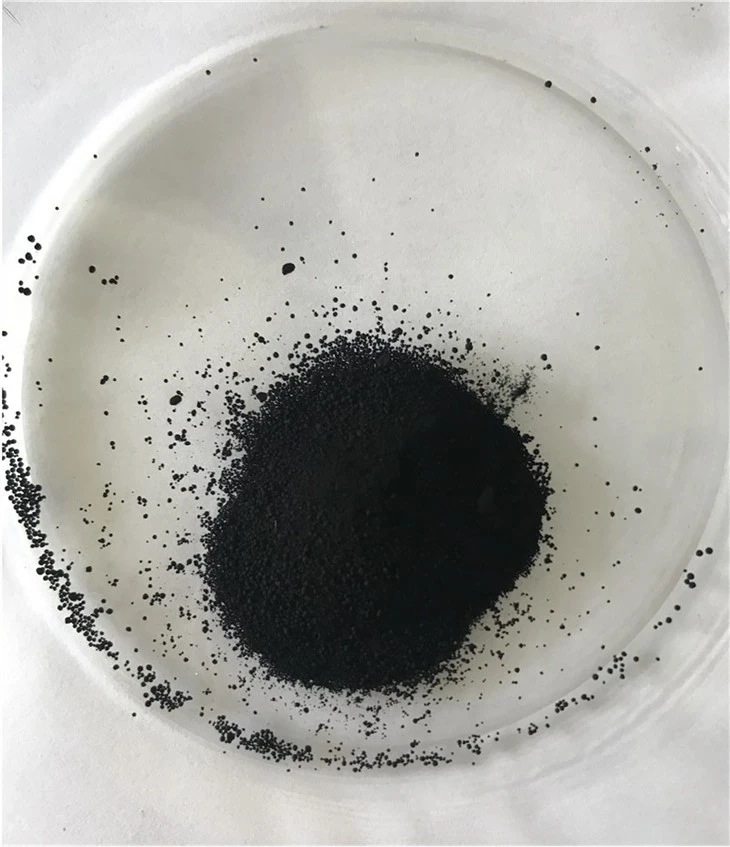

Another alternative is to use other inorganic pigments that are free of lead. For example, Pigment Carbon Black HB - 1H, Pigment Carbon Black HB - 4#, and Pigment Carbon Black HB - 800 are all inorganic pigments that can be used in combination with other non - lead yellow pigments to create a wider range of colors in printing inks. These carbon black pigments can provide good black tones and can enhance the overall color performance of the ink system.
Conclusion
In conclusion, Lead Chrome Yellow 34 has certain properties that make it suitable for use in printing inks, such as high tinting strength, good lightfastness, and chemical stability. However, due to the significant environmental and health concerns associated with lead, its use is increasingly being restricted.
If you are considering using pigments in your printing ink formulations and are interested in exploring the options, including Lead Chrome Yellow 34, we are here to assist you. We can provide detailed information about the properties of our pigments, their suitability for different printing processes, and the regulatory compliance aspects. Whether you are looking for high - quality pigments with excellent color performance or are seeking more environmentally friendly alternatives, we can offer professional advice and solutions. Contact us to start a procurement discussion, and let's work together to find the best pigment solutions for your printing needs.
References
- "Handbook of Printing Ink Manufacture" by R. H. Leach.
- "Pigments for Coatings, Plastics, Inks and Related Products" by G. Buxbaum.
- European Union REACH regulation documents.


