
Can coating pigments be used in composite material coatings? That's a question I've been getting a lot lately, and as a coating pigment supplier, it's one I'm more than happy to dive into.
Let's start by understanding what we're dealing with. Coating pigments are those colorful substances that we use to add color, opacity, and sometimes other properties like UV resistance to coatings. On the other hand, composite materials are a combination of two or more different materials that work together to produce properties that are greater than the sum of their individual parts. Think of things like fiberglass, carbon fiber composites, or wood - plastic composites.
When it comes to using coating pigments in composite material coatings, there are a few factors we need to consider. First off, compatibility. The pigments need to be compatible with the resin or matrix used in the composite material coating. If they're not, we could end up with issues like poor dispersion, which can lead to uneven color, or even a breakdown of the coating over time. For example, some organic pigments might react with certain types of resins, causing discoloration or a loss of adhesion.
Another important factor is chemical stability. Composite materials are often exposed to various environmental conditions, such as heat, moisture, and chemicals. The pigments need to be able to withstand these conditions without degrading or changing color. For instance, if a composite is used outdoors, it'll be exposed to UV rays. Pigments that can resist UV degradation are essential to ensure the long - term color stability of the coating.
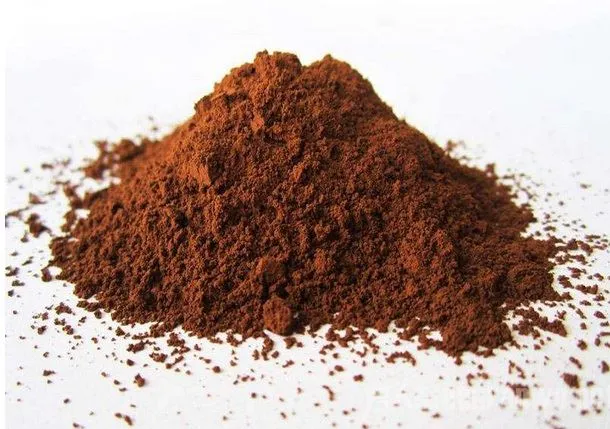
Now, let's talk about the types of coating pigments that can potentially be used in composite material coatings. Organic pigments are a popular choice. They offer a wide range of bright colors and are generally lightweight. Take Pigment Brwon 25 for Coating for example. This pigment has good heat and light stability, which makes it suitable for composite materials that might be exposed to high temperatures or sunlight.
Inorganic pigments also have their place. They're known for their excellent chemical and heat resistance. They can be a great option for composite coatings that need to withstand harsh chemical environments or high - temperature processes. However, they can sometimes be heavier and more limited in terms of color range compared to organic pigments.
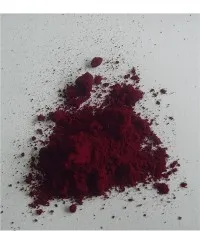
Some pigments are specifically designed for certain applications. Like Pigment Red 2 F2R for Textile Printing Ink. While it's designed for textile printing ink, it's worth exploring if it can be adapted for composite material coatings. Its properties might offer some unique benefits in terms of color vibrancy and dispersion in certain types of composite resin systems.
Similarly, Pigment Yellow 3 10G for Coating is a pigment that's commonly used in coatings. It could potentially be a good fit for composite material coatings, especially if we're looking for a bright yellow color.
One of the challenges in using coating pigments in composite material coatings is the dispersion process. The pigments need to be evenly distributed throughout the coating to ensure a consistent color and performance. This can be a bit tricky, especially with some of the high - viscosity resins used in composite materials. We often need to use special mixing techniques and additives to achieve good dispersion.
Another aspect to consider is cost. Some high - performance pigments can be quite expensive. When using them in composite material coatings, we need to balance the cost with the desired properties. For large - scale composite production, reducing the cost of pigments without sacrificing quality is a major concern.
Let's also look at the potential advantages of using coating pigments in composite material coatings. Firstly, adding color can enhance the aesthetic appeal of the composite products. Whether it's a consumer product like a phone case or an industrial product like a structural component, a well - colored coating can make the product more attractive.

Secondly, some pigments can provide additional functional properties. For example, pigments with anti - microbial properties can be used in composite coatings for applications in the healthcare or food industries. Pigments with conductive properties can also be used in composites for electronic applications.
In terms of durability, the right choice of pigments can improve the wear resistance and weatherability of the composite material coatings. This can extend the service life of the composite products, which is a big plus for both manufacturers and end - users.
However, we can't ignore the possible drawbacks. As mentioned earlier, there's the risk of poor compatibility and dispersion. There's also the potential for environmental concerns. Some pigments may contain heavy metals or other harmful substances, which can pose a problem if the composite products are disposed of or recycled.
So, to answer the question "Can coating pigments be used in composite material coatings?", the answer is a definite yes, but with some caveats. We need to carefully select the pigments based on compatibility, chemical stability, and other factors. We also need to pay attention to the dispersion process and cost - performance ratio.
If you're in the market for coating pigments for your composite material coatings, I'd love to have a chat with you. Whether you're looking for a specific color, need a pigment with certain functional properties, or are just trying to reduce your production costs, I'm here to help. Feel free to reach out and let's discuss how we can find the perfect pigment solution for your needs.
References
- General knowledge of coating pigments and composite materials from industry experience.
- Technical data sheets of Pigment Brwon 25, Pigment Red 2 F2R, and Pigment Yellow 3 10G provided by manufacturers.