

Hey there! As a magnesium hydroxide supplier, I often get asked about the surface area of magnesium hydroxide particles. It's a pretty crucial aspect, especially when you're using it in various industrial applications. Let's dig into it and figure out what this surface area really means and why it matters.
First off, let's talk about what surface area is in the context of magnesium hydroxide particles. Surface area refers to the total area of the outer surface of these tiny particles. You might think of it like the wrapping paper on a present. The more wrapping paper you have, the more surface there is to cover. In the case of magnesium hydroxide particles, the larger the surface area, the more interaction they can have with other substances around them.

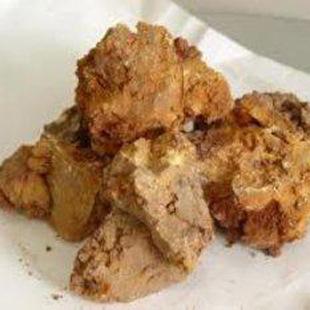
Why does this matter? Well, magnesium hydroxide is used in a ton of different industries. For example, it's a popular flame retardant. When it's added to plastics or other materials, it decomposes when exposed to high temperatures. The larger the surface area of the magnesium hydroxide particles, the faster this decomposition can happen, and the more effective it is at stopping the spread of fire. It's like having more firefighters on the scene – they can put out the fire quicker.
In the pharmaceutical industry, magnesium hydroxide is used as an antacid. It neutralizes stomach acid when you have indigestion or heartburn. A greater surface area means the particles can react more quickly with the acid in your stomach, providing faster relief. So, the surface area directly affects how well it works for its intended purpose.
Now, how do we measure the surface area of these magnesium hydroxide particles? There are a few methods out there, but one of the most common is the BET (Brunauer - Emmett - Teller) method. This method involves measuring how much gas, usually nitrogen, can adsorb onto the surface of the particles. The idea is that the more gas that can stick to the particles, the larger the surface area. It's a bit like how a sponge soaks up water – the more water it can hold, the more porous and large - surfaced the sponge is.
The surface area of magnesium hydroxide particles can vary depending on a bunch of factors. One of the main factors is the particle size. Generally speaking, the smaller the particles, the larger the surface area. Think of it this way: if you have a big block of magnesium hydroxide and you break it up into tiny pieces, the total surface area of all those little pieces will be much larger than the surface area of the original block. This is because when you break it up, you expose new surfaces that were previously inside the block.
Another factor is the shape of the particles. Particles that are more irregular in shape tend to have a larger surface area compared to spherical particles. Irregular particles have nooks and crannies that increase the amount of surface available for interaction with other substances.
At our company, we offer a variety of magnesium hydroxide products, each with different surface areas to suit different applications. For example, our Brucite Powder BP - 65 is known for its consistent quality and specific surface area that makes it great for certain industrial uses. It's often used in polymer composites where a good balance of flame - retardant properties and mechanical strength is required.
If you're in the refractory industry, you might be interested in our Dead Burnt Magnesia. This product has a unique surface area and chemical composition that makes it highly resistant to high temperatures and chemical corrosion. It's a top - choice material for lining furnaces and other high - temperature equipment.
We also have Brucite Powder BP - 64, which has a different surface area profile compared to the BP - 65. BP - 64 is often used in applications where a finer particle size and a relatively larger surface area are needed, such as in some types of coatings and adhesives.
When you're choosing a magnesium hydroxide product for your application, it's really important to consider the surface area. You need to match the surface area of the particles with the requirements of your process. For example, if you need a fast - acting antacid in the pharmaceutical industry, you'll want a product with a large surface area. On the other hand, if you're using it in a process where you need the particles to settle quickly, a smaller surface area might be more appropriate.
We understand that every customer has different needs, and that's why we're here to help. Whether you're new to using magnesium hydroxide or you're an experienced user looking for a better product, we can work with you to find the right solution. Our team of experts can help you understand the surface area of our products and how it relates to your specific application.
If you're interested in learning more about our magnesium hydroxide products or want to discuss your procurement needs, don't hesitate to reach out. We're always ready to have a chat and see how we can assist you in getting the best magnesium hydroxide solution for your business. You can start the conversation and we'll guide you through the whole process, from product selection to delivery.
In conclusion, the surface area of magnesium hydroxide particles is a key factor that affects their performance in various applications. By understanding how surface area works and how it can be tailored to your needs, you can make more informed decisions when it comes to choosing the right magnesium hydroxide product. So, if you're in the market for magnesium hydroxide, give us a chance to show you what we can offer.
References
- Brunauer, S., Emmett, P. H., & Teller, E. (1938). Adsorption of gases in multimolecular layers. Journal of the American Chemical Society, 60(2), 309 - 319.
- Various industry reports on the use of magnesium hydroxide in different sectors.