

Light fastness is a crucial property when it comes to pigments, especially in applications where the color needs to withstand prolonged exposure to light without significant fading or discoloration. As a supplier of Pigment Carbon Black HB - 800, I am often asked about its light fastness. In this blog post, I will delve into what light fastness means, how it is measured, and specifically, the light fastness characteristics of Pigment Carbon Black HB - 800.
Understanding Light Fastness
Light fastness refers to the ability of a pigment to resist fading or changing color when exposed to light, particularly sunlight. Sunlight contains a spectrum of wavelengths, including ultraviolet (UV) light, which is known to be the most damaging to pigments. When pigments are exposed to light, the energy from the light can cause chemical reactions within the pigment molecules, leading to a breakdown of the molecular structure and a change in color.

The degree of light fastness is typically classified on a scale. The most common scale is the Blue Wool Scale, which ranges from 1 to 8, with 1 being the poorest light fastness (rapid fading) and 8 being the best (almost no fading). This scale is based on the fading of a set of blue wool standards exposed to the same light source as the pigment sample.
Measuring Light Fastness
There are several methods to measure the light fastness of pigments. One of the most widely used methods is the accelerated weathering test. In this test, pigment samples are exposed to artificial light sources that simulate sunlight, such as xenon arc lamps or fluorescent UV lamps. The samples are typically exposed for a specific period, and the degree of fading is then evaluated by comparing the color of the exposed sample to the original sample using color measurement instruments, such as spectrophotometers.
Another method is the natural weathering test, where pigment samples are exposed to natural sunlight for an extended period, usually several months to years. This method provides a more realistic assessment of the pigment's light fastness under actual outdoor conditions. However, it is a time - consuming process and can be affected by local weather conditions.
Light Fastness of Pigment Carbon Black HB - 800
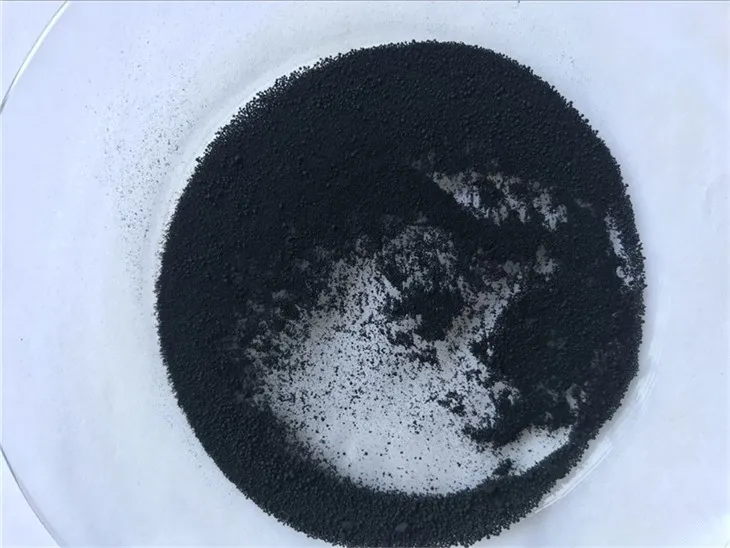
Pigment Carbon Black HB - 800 is a high - quality carbon black pigment that offers excellent light fastness properties. Carbon black, in general, is known for its good light stability due to its chemical structure. The carbon atoms in carbon black are arranged in a highly conjugated system, which can absorb and dissipate the energy from light, preventing it from causing damage to the pigment molecules.
Our Pigment Carbon Black HB - 800 typically exhibits a light fastness rating of 7 - 8 on the Blue Wool Scale. This means that it has a very high resistance to fading when exposed to light. Whether it is used in outdoor coatings, plastics, inks, or other applications where long - term color stability is required, Pigment Carbon Black HB - 800 can maintain its color integrity for an extended period.
In accelerated weathering tests using xenon arc lamps, Pigment Carbon Black HB - 800 showed minimal color change even after hundreds of hours of exposure. This indicates that it can withstand the harsh conditions of artificial sunlight and is likely to perform well in real - world outdoor applications.
Applications and Advantages of Pigment Carbon Black HB - 800's Light Fastness
Outdoor Coatings
In outdoor coatings, such as automotive paints, architectural coatings, and industrial coatings, light fastness is of utmost importance. Pigment Carbon Black HB - 800 can be used to provide a deep, rich black color that will not fade over time, even when exposed to direct sunlight. This ensures that the coated surfaces maintain their aesthetic appeal and protective properties for a long time.
Plastics
For plastic products used outdoors, such as plastic furniture, automotive parts, and outdoor signage, Pigment Carbon Black HB - 800 can prevent the plastic from becoming discolored or losing its black color due to light exposure. This enhances the durability and visual quality of the plastic products.
Inks
In the printing industry, especially for outdoor printing applications like billboards and signage, inks need to have good light fastness. Pigment Carbon Black HB - 800 can be used to formulate inks that produce sharp, long - lasting black prints that can withstand the elements.
Comparison with Other Pigment Carbon Blacks
We also offer other pigment carbon blacks, such as Pigment Carbon Black HB - 660R and Pigment Carbon Black HB - 1L. While these pigments also have good light fastness properties, Pigment Carbon Black HB - 800 generally offers a higher level of light stability.
Pigment Carbon Black HB - 660R is a versatile carbon black pigment with a good balance of properties, including light fastness. It typically has a light fastness rating of 6 - 7 on the Blue Wool Scale. Pigment Carbon Black HB - 1L, on the other hand, is more suitable for applications where a finer particle size and high tinting strength are required. Its light fastness is also in the range of 6 - 7. However, if you need the highest level of light fastness for your application, Pigment Carbon Black HB - 800 is the better choice.
Conclusion and Call to Action
In conclusion, the light fastness of Pigment Carbon Black HB - 800 is one of its key strengths. With a light fastness rating of 7 - 8 on the Blue Wool Scale, it offers excellent resistance to fading when exposed to light, making it suitable for a wide range of outdoor applications.
If you are in the market for a high - quality carbon black pigment with superior light fastness, Pigment Carbon Black HB - 800 is an ideal choice. We are committed to providing our customers with the best products and services. If you have any questions or would like to discuss your specific requirements, please feel free to reach out to us. We look forward to the opportunity to work with you and help you find the perfect pigment solution for your needs.
References
- ASTM International. (20XX). Standard test methods for determining the lightfastness of pigments and inks. ASTM DXXXX.
- ISO Standards. (20XX). ISO 105 - BXX: Textiles - Tests for colour fastness - Part BXX: Colour fastness to artificial light: Xenon arc fading lamp test.


