

Hey there! As an ink pigment supplier, I often get asked about the chemical resistance of ink pigments. It's a super important topic, especially for those who rely on high - quality inks for various applications. So, let's dig into what chemical resistance really means when it comes to ink pigments.
What is Chemical Resistance?
First off, chemical resistance refers to how well a pigment can withstand the effects of different chemicals without undergoing significant changes in its properties. These changes could include things like color fading, dissolution, or a reaction that alters the pigment's structure.
For ink pigments, chemical resistance is crucial. Inks are used in a wide range of environments and applications. For example, in the packaging industry, inks might come into contact with various substances like cleaning agents, solvents, or even food products. If the ink pigments don't have good chemical resistance, the printed image can deteriorate over time, leading to a loss of quality and potentially affecting the product's appeal.
Factors Affecting Chemical Resistance
Pigment Type
There are two main types of pigments: organic and inorganic. Organic pigments, like Pigment Red 57:1 for Inks, are made from carbon - based compounds. They often offer bright colors and good tinting strength. However, their chemical resistance can vary depending on their molecular structure. Some organic pigments are more susceptible to attack by solvents or acids because of the relatively weaker chemical bonds in their structure.
On the other hand, inorganic pigments are usually based on metal compounds. They tend to have better chemical resistance in general, especially against high - temperature environments and certain chemicals. But they might not offer the same range of bright and vivid colors as organic pigments.
Chemical Environment
The type of chemicals the ink pigment is exposed to plays a huge role. Acids and bases can react with pigments in different ways. Strong acids can break down the chemical bonds in some pigments, causing color changes or dissolution. Bases can also have a similar effect, especially on pigments that are sensitive to alkaline conditions.
Solvents are another important factor. Some solvents, like alcohols or ketones, can dissolve or swell certain pigments. This can lead to problems such as ink bleeding or a loss of print quality. For example, in water - based inks, the pigment needs to be resistant to water and other additives used in the formulation. Pigment Violet 3 R for Water Based Ink is designed to have good resistance in this kind of environment.
Pigment Particle Size and Surface Treatment
The size of the pigment particles can affect their chemical resistance. Smaller particles generally have a larger surface area, which means they are more likely to come into contact with chemicals. This can make them more vulnerable to chemical attack. However, surface treatments can be used to improve the chemical resistance of pigments. A well - designed surface treatment can create a protective layer around the pigment particles, preventing chemicals from reaching and reacting with the pigment core.
Testing Chemical Resistance
To determine the chemical resistance of ink pigments, several tests are commonly used. One of the most basic tests is the immersion test. In this test, a sample of the ink containing the pigment is immersed in a specific chemical for a set period of time. After that, the sample is examined for any changes in color, appearance, or other properties.
Another test is the rubbing test. Here, a cloth soaked in a chemical is rubbed against a printed surface. This simulates the kind of wear and tear the ink might experience in real - world situations. By measuring the amount of ink transferred to the cloth or any visible changes in the print, we can assess the pigment's resistance to that particular chemical.
Applications and Chemical Resistance Requirements
Printing on Packaging
In the packaging industry, inks need to have good chemical resistance because they might come into contact with a variety of substances. For example, food packaging inks must be resistant to food oils, moisture, and any cleaning agents used during the packaging process. Pigment Violet 27 for Inks can be a great choice for packaging applications where chemical resistance is important.
Industrial Printing
Industrial printing often involves harsh environments. Inks used in printing on metals or plastics might be exposed to solvents, acids, or high - temperature conditions. The pigments in these inks need to be able to withstand these challenges to ensure long - lasting and high - quality prints.
Textile Printing
Textile inks need to be resistant to washing, bleaching agents, and sweat. Pigments used in textile printing must maintain their color and integrity even after multiple washes. This requires a high level of chemical resistance to ensure the printed designs on textiles look good for a long time.
How We Ensure Good Chemical Resistance in Our Pigments
As an ink pigment supplier, we take several steps to ensure that our pigments have excellent chemical resistance. First, we carefully select the raw materials. We work with high - quality organic and inorganic compounds that have inherent chemical stability.
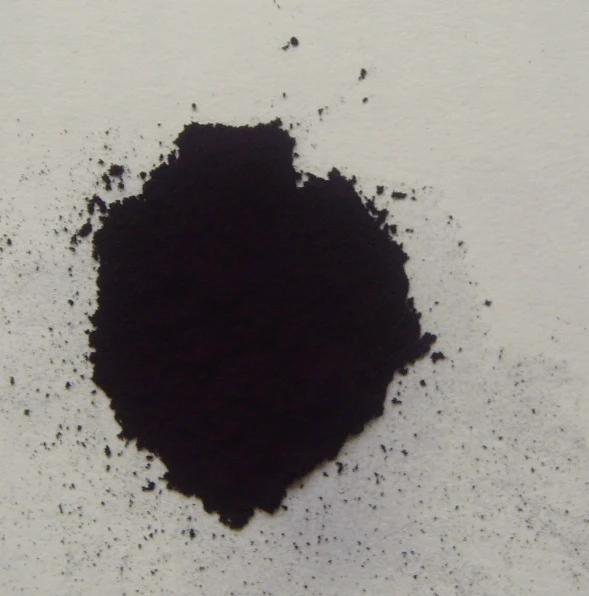

We also invest in research and development to improve our pigment formulations. Our team of chemists is constantly experimenting with different surface treatments and additives to enhance the chemical resistance of our pigments.
Quality control is another key aspect. We conduct rigorous testing on all our pigment products to make sure they meet the required chemical resistance standards. This includes testing against a wide range of chemicals and under different conditions to simulate real - world scenarios.
Conclusion
In conclusion, the chemical resistance of ink pigments is a complex but vital characteristic. It affects the performance and durability of inks in various applications. Whether it's for packaging, industrial printing, or textile printing, having pigments with good chemical resistance is essential for achieving high - quality and long - lasting prints.
If you're in the market for ink pigments and are concerned about chemical resistance, we're here to help. Our range of pigments, including Pigment Red 57:1 for Inks, Pigment Violet 3 R for Water Based Ink, and Pigment Violet 27 for Inks, are designed to offer excellent chemical resistance. Don't hesitate to reach out to us for more information or to start a purchase negotiation. We're always happy to work with you to find the best pigment solutions for your needs.
References
- Patton, T. C. (1979). Paint Flow and Pigment Dispersion: A Rheological Approach to Coating and Ink Technology. John Wiley & Sons.
- Lewis, R. J. (2000). Hawley's Condensed Chemical Dictionary. John Wiley & Sons.
- Wypych, G. (2012). Handbook of Solvents. ChemTec Publishing.


