
Hey there! As an inorganic pigment supplier, I often get asked about the scratch resistance properties of inorganic pigments. So, I thought I'd share some insights on this topic.
First off, let's understand what scratch resistance means. In simple terms, it's the ability of a pigment to withstand scratches or abrasions when applied to a surface. This is super important, especially in industries where the finished products are likely to face wear and tear, like automotive coatings, industrial paints, and plastics.
What Makes Inorganic Pigments Good for Scratch Resistance?
Inorganic pigments have some unique features that contribute to their scratch resistance. One of the main factors is their chemical composition. Most inorganic pigments are made from metal oxides, salts, or other inorganic compounds. These substances are generally very stable and have strong intermolecular forces.
For example, titanium dioxide, a widely used inorganic pigment, forms a dense and hard layer on the surface when it's part of a coating. This layer acts as a protective shield, preventing scratches from easily penetrating. The crystal structure of inorganic pigments also plays a role. Some pigments have a well - ordered crystal lattice, which gives them better mechanical strength and makes them more resistant to scratches.
Testing the Scratch Resistance of Inorganic Pigments
There are several ways to test the scratch resistance of inorganic pigments. One common method is the pencil hardness test. In this test, pencils of different hardness grades are used to scratch the surface coated with the pigment. The hardness of the pencil that first leaves a visible scratch on the surface indicates the scratch resistance of the pigment coating.
Another method is the Taber abrasion test. In this test, a specimen coated with the pigment is rubbed against an abrasive wheel under a specific load for a certain number of cycles. The amount of material removed during the test is measured, and this gives an idea of how well the pigment can resist abrasion.
Comparing Different Inorganic Pigments
Let's take a look at some of the inorganic pigments we supply and their scratch resistance properties.
Pigment Carbon Black HB - 1H
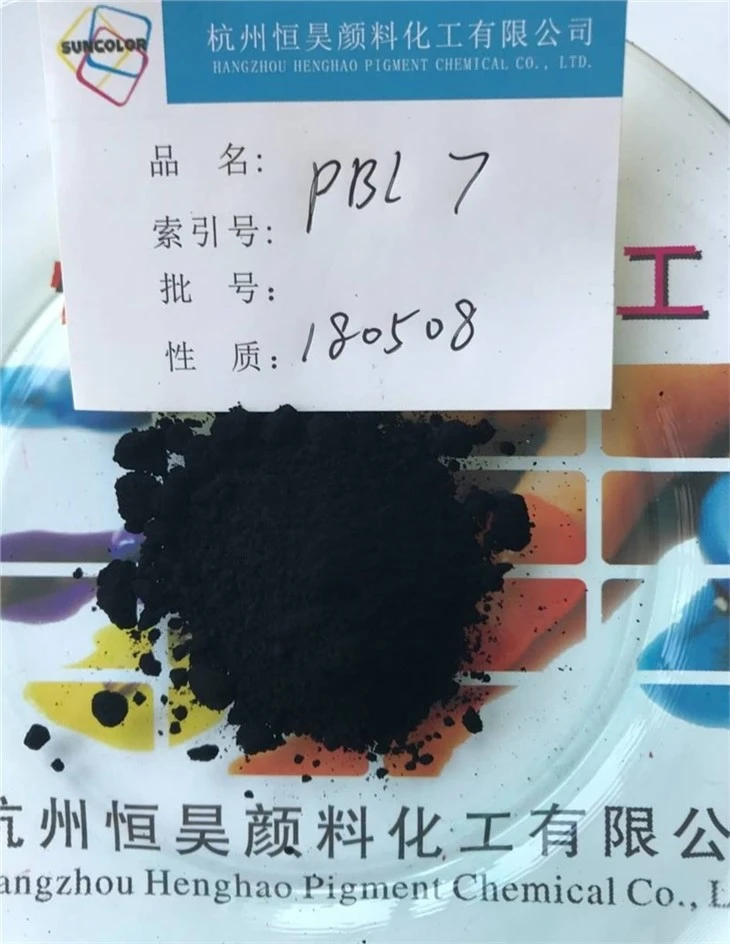
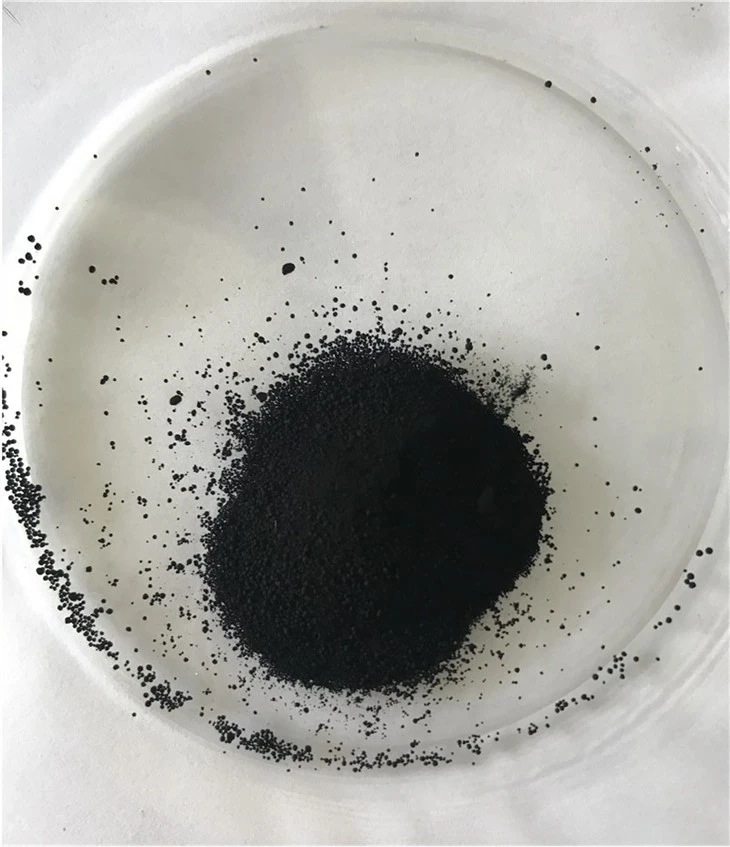
Pigment Carbon Black HB - 1H is a high - quality carbon black pigment. Carbon black is known for its excellent light - absorbing properties, but it also has good scratch resistance. The small particle size of Pigment Carbon Black HB - 1H allows it to disperse well in coatings, forming a uniform and dense layer. This layer provides good protection against scratches. It's often used in automotive coatings and industrial paints where scratch resistance is crucial.
Pigment Carbon Black HB - 800
Pigment Carbon Black HB - 800 is another great option. It has a slightly different particle size distribution compared to HB - 1H, which gives it unique properties. The particles in HB - 800 are more evenly distributed, which results in a smoother surface finish when used in coatings. This smooth surface not only looks good but also enhances the scratch resistance. It's commonly used in high - end plastics and rubber products.
Molybdate Chrome Red 104
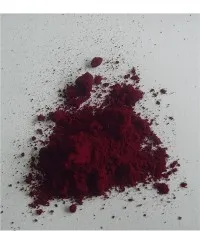
Molybdate Chrome Red 104 is a bright red inorganic pigment. It has good chemical stability and mechanical strength. When used in coatings, it forms a hard and durable layer that can resist scratches. This pigment is often used in traffic paints and outdoor metal coatings where it needs to withstand harsh environmental conditions and physical damage.
Factors Affecting Scratch Resistance
The scratch resistance of inorganic pigments is not only determined by the pigment itself but also by other factors. The binder used in the coating formulation is very important. A good binder should be able to hold the pigment particles together firmly and adhere well to the substrate. If the binder is weak, the pigment particles may come off easily, reducing the scratch resistance.
The application process also matters. If the coating is not applied evenly or is too thin, it may not provide sufficient protection against scratches. The curing conditions, such as temperature and time, can also affect the final scratch resistance of the coating.
Applications Where Scratch Resistance Matters
As I mentioned earlier, there are many industries where the scratch resistance of inorganic pigments is crucial.
In the automotive industry, pigments with good scratch resistance are used in car paints. Cars are constantly exposed to various elements on the road, like gravel, sand, and other debris. A scratch - resistant paint can keep the car looking good for a longer time and also protect the underlying metal from corrosion.

In the furniture industry, inorganic pigments are used in wood coatings. Furniture is often moved around, and people may accidentally scratch it. Using pigments with high scratch resistance can ensure that the furniture maintains its aesthetic appeal over time.
In the packaging industry, especially for plastic and metal packaging, scratch - resistant pigments are used. Packaging needs to be able to withstand handling during transportation and storage without getting scratched, as scratches can affect the appearance and the integrity of the package.
Conclusion
So, there you have it! The scratch resistance properties of inorganic pigments are really important in many industries. Whether it's for automotive coatings, furniture finishes, or packaging, having pigments that can withstand scratches is a big plus.
We, as an inorganic pigment supplier, are always working on improving the scratch resistance of our products. We conduct extensive research and development to ensure that our pigments meet the high - standards required by our customers.
If you're in the market for high - quality inorganic pigments with excellent scratch resistance, don't hesitate to reach out. We'd love to have a chat and see how we can help you with your pigment needs. Whether you're looking for Pigment Carbon Black HB - 1H, Pigment Carbon Black HB - 800, or Molybdate Chrome Red 104, we've got you covered. Let's start a conversation and explore the best pigment solutions for your business.

References
- "Handbook of Organic and Inorganic Pigments" by W. Herbst and K. Hunger
- "Coating Technology Handbook" by J. W. Sinko
- Research papers on pigment performance and scratch resistance from industry - related journals.