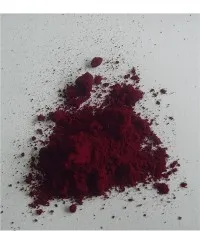

Hey there! As a supplier of inorganic pigments, I've seen firsthand how these amazing substances play a crucial role in various industries. Inorganic pigments are pretty cool because they offer excellent color stability, lightfastness, and chemical resistance. So, let's dive into some of the industrial applications of inorganic pigments.
1. Paints and Coatings
One of the biggest markets for inorganic pigments is the paints and coatings industry. Whether it's for protecting metal surfaces, adding color to buildings, or enhancing the appearance of vehicles, inorganic pigments are the go - to choice.
For exterior paints, pigments need to withstand harsh environmental conditions like sunlight, rain, and temperature changes. Inorganic pigments, such as titanium dioxide, are widely used as a white pigment. It provides high opacity, which means you can cover the surface well with fewer coats. Iron oxide pigments, available in a range of colors from yellow, red, to brown, are also popular in exterior paints. They're highly weather - resistant and can give a natural and earthy look to the painted surfaces.
In automotive coatings, inorganic pigments are used to create vibrant and long - lasting colors. For example, carbon black pigments are used not only for black coatings but also to enhance the UV resistance of the paint. Our Pigment Carbon Black HB - M430 is a great option for automotive applications. It has a high tinting strength, which means you can achieve a deep, rich black color with a relatively small amount of pigment.
2. Plastics
The plastics industry also relies heavily on inorganic pigments. When you look at all the colorful plastic products around you, from children's toys to electronic device casings, inorganic pigments are what give them their hues.
Inorganic pigments are added to plastics during the manufacturing process. They offer good heat stability, which is crucial because plastics are often processed at high temperatures. For instance, in PVC (polyvinyl chloride) products, inorganic pigments like cadmium - based pigments (although their use is somewhat restricted due to environmental concerns) and iron oxide pigments are used. Iron oxide pigments are non - toxic and can be used in food - contact plastics.
For engineering plastics, which are used in high - performance applications, inorganic pigments need to have excellent chemical resistance. Our Pigment Carbon Black HB - 2300 is suitable for use in engineering plastics. It can improve the conductivity of the plastic, which is useful in applications where electrostatic discharge needs to be controlled, such as in electronic packaging.
3. Ceramics
Ceramics have been around for ages, and inorganic pigments have been used to decorate them for just as long. In the ceramic industry, pigments are used to create beautiful and durable designs on tiles, tableware, and decorative items.
For ceramic glazes, inorganic pigments need to be able to withstand high firing temperatures. Metal oxide pigments are commonly used. For example, cobalt oxide is used to create a deep blue color in ceramic glazes. It has a high melting point and can maintain its color even after being fired at very high temperatures.
In the production of ceramic tiles, inorganic pigments are used to create patterns and colors on the surface. These pigments are often mixed with the ceramic body or applied as a glaze. Our pigments can be customized to meet the specific requirements of the ceramic industry, ensuring that the colors are consistent and long - lasting.
4. Printing Inks
Printing inks are another area where inorganic pigments are widely used. Whether it's for newspaper printing, packaging printing, or high - quality graphic arts, inorganic pigments can provide the necessary color and performance.
Inorganic pigments offer good lightfastness, which is essential for printed materials that will be exposed to sunlight or other light sources. For example, in packaging printing, the colors need to stay vibrant for a long time to attract consumers. Carbon black is a common pigment in printing inks, especially for black and gray tones. Our Pigment Carbon Black HB - 250R is well - suited for printing inks. It has a fine particle size, which allows for smooth printing and good dispersion in the ink.
5. Construction Materials
In the construction industry, inorganic pigments are used to color various building materials. Concrete is one of the most common materials where pigments are added. Pigmented concrete can be used for sidewalks, driveways, and architectural elements.
Iron oxide pigments are popular in concrete coloring because they're cost - effective and can provide a wide range of colors. They can also enhance the durability of the concrete by reducing the porosity and improving the resistance to weathering. For example, a red - pigmented concrete can give a warm and inviting look to a patio or a building facade.


Masonry products like bricks and blocks can also be colored using inorganic pigments. This not only adds aesthetic value but also helps to distinguish different types of masonry units.
6. Rubber
The rubber industry uses inorganic pigments for both functional and aesthetic purposes. In rubber products such as tires, conveyor belts, and rubber seals, pigments can be used to improve the UV resistance and heat resistance of the rubber.
Carbon black is a key pigment in tire manufacturing. It not only gives the tires their black color but also enhances the strength and abrasion resistance of the rubber. Our carbon black pigments are formulated to provide optimal performance in rubber applications, ensuring that the rubber products have a long service life.
Why Choose Our Inorganic Pigments?
We take pride in our inorganic pigments because we focus on quality and performance. Our pigments are carefully manufactured to meet the highest industry standards. We offer a wide range of colors and grades to suit different applications. Whether you need a high - tinting - strength pigment for a vivid color or a heat - stable pigment for high - temperature processes, we've got you covered.
We also provide excellent customer service. Our team of experts can help you choose the right pigment for your specific needs and offer technical support throughout the process.
If you're in the market for inorganic pigments for any of these industrial applications, don't hesitate to get in touch with us. We're ready to discuss your requirements and work with you to find the best pigment solutions for your business. Let's start a conversation and see how we can help you achieve the perfect colors and performance in your products.
References
- "Handbook of Industrial Pigments"
- "Pigments: Properties, Applications and Technology"
- Industry reports on paints, plastics, ceramics, printing inks, construction materials, and rubber industries.