
Hey there! As a supplier of inorganic pigments, I've been getting a lot of questions lately about the electrical conductivity properties of these pigments. So, I thought I'd sit down and write a blog post to share what I know.
First off, let's talk about what inorganic pigments are. Inorganic pigments are basically colored substances that are made from inorganic compounds. They're used in a whole bunch of industries, like paint, plastics, ceramics, and even cosmetics. What makes them so great is their durability, heat resistance, and lightfastness.
Now, when it comes to electrical conductivity, not all inorganic pigments are created equal. Some have high conductivity, while others are pretty much insulators. The conductivity of an inorganic pigment depends on a few factors, like its chemical composition, crystal structure, and the presence of impurities.
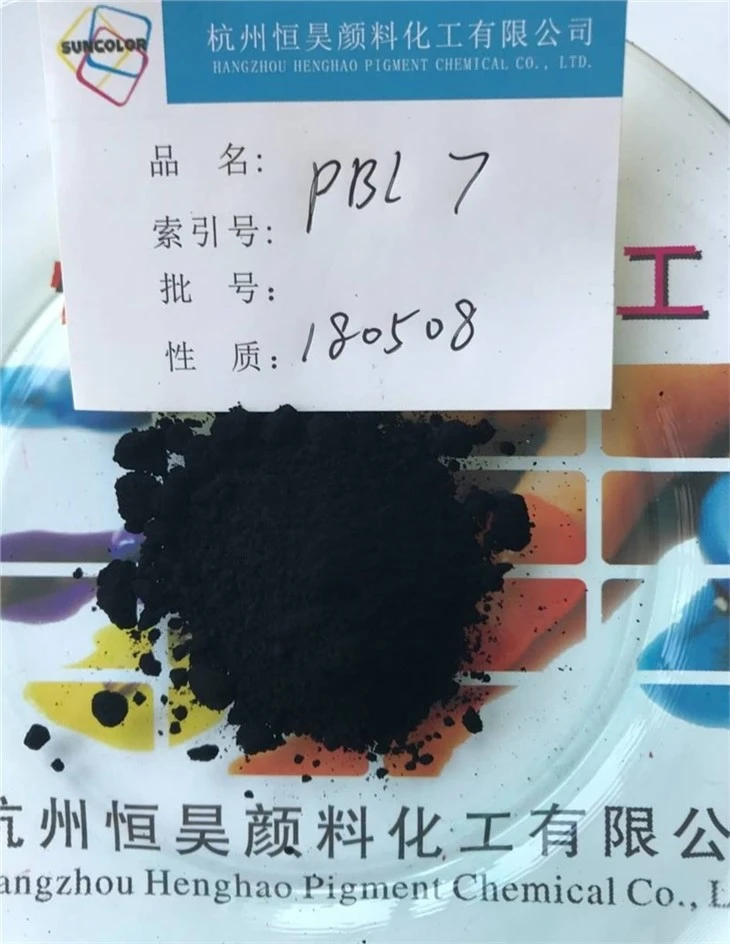
Let's start with carbon black pigments. Carbon black is one of the most widely used inorganic pigments, and it's known for its excellent electrical conductivity. It's made up of tiny carbon particles that are fused together, creating a network of conductive pathways. This makes carbon black a great choice for applications where electrical conductivity is important, like in antistatic coatings and conductive plastics.
We have two great carbon black products in our lineup: Pigment Carbon Black HB - 4A and Pigment Carbon Black HB - 800. These pigments have different particle sizes and surface areas, which can affect their conductivity. Generally, smaller particle sizes and higher surface areas lead to better conductivity because there are more contact points between the particles.
Pigment Carbon Black HB - 4A has a relatively small particle size, which gives it good conductivity. It's often used in applications where a high level of conductivity is required, like in battery electrodes and electronic components. On the other hand, Pigment Carbon Black HB - 800 has a slightly larger particle size, but it still offers decent conductivity. It's a more cost - effective option for applications where a moderate level of conductivity is sufficient, like in some types of conductive inks.
Next up, let's talk about metal oxide pigments. Metal oxides are another common type of inorganic pigment. Some metal oxides, like zinc oxide and titanium dioxide, are generally considered insulators. They have a stable crystal structure that doesn't allow for easy movement of electrons, so they don't conduct electricity well.
However, there are some metal oxides that can have semiconducting properties. For example, iron oxide pigments can show some level of conductivity under certain conditions. The conductivity of iron oxide pigments can be influenced by factors like the oxidation state of the iron and the presence of dopants.

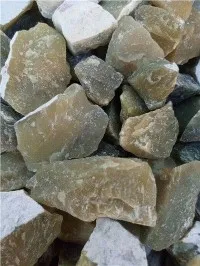
Now, let's move on to lead chrome yellow pigments. Lead Chrome Yellow 34 is a well - known inorganic pigment. In general, lead chrome yellow pigments are not known for their high electrical conductivity. They are mainly used for their bright color and good hiding power in paint and coating applications. The chemical structure of lead chrome yellow doesn't promote the flow of electrons easily, so it acts more like an insulator.
But why does the electrical conductivity of inorganic pigments matter? Well, in many industries, there's a need for materials that can either conduct or insulate electricity. In the electronics industry, for example, conductive pigments are used to make printed circuit boards, touchscreens, and other electronic components. On the other hand, insulating pigments are used to prevent electrical leakage and short - circuits.
In the automotive industry, conductive pigments can be used in coatings to prevent the build - up of static electricity, which can attract dust and dirt. In the packaging industry, antistatic coatings made with conductive pigments can protect sensitive electronic devices from electrostatic discharge.
If you're in the market for inorganic pigments and you're looking for a specific level of electrical conductivity, it's important to choose the right product. You need to consider the application requirements, the desired conductivity level, and the cost - effectiveness of the pigment.
At our company, we understand that every customer has unique needs. That's why we offer a wide range of inorganic pigments with different electrical conductivity properties. Whether you need a highly conductive carbon black for an electronic application or an insulating metal oxide for a coating, we've got you covered.
If you're interested in learning more about our inorganic pigments or if you have specific requirements for your project, don't hesitate to reach out. We're here to help you find the perfect pigment solution for your needs. Our team of experts can provide you with detailed technical information and guide you through the selection process.
In conclusion, the electrical conductivity properties of inorganic pigments vary widely depending on their chemical composition and structure. Carbon black pigments are known for their good conductivity, while many metal oxides and lead chrome yellow pigments are more likely to be insulators. By understanding these properties, you can make informed decisions when choosing inorganic pigments for your applications.
So, if you're looking to source high - quality inorganic pigments with the right electrical conductivity for your project, we're the supplier you can trust. Contact us today to start a conversation about your pigment needs.
References
- "Handbook of Inorganic Pigments" by G. Buxbaum
- "Electrical Properties of Materials" textbooks available in engineering libraries