

Fused magnesite, a high - quality refractory material, plays a crucial role in various industrial applications. As a fused magnesite supplier, I have witnessed firsthand how this remarkable substance impacts the viscosity of materials in mixtures. In this blog, we will delve into the science behind how fused magnesite affects the viscosity of materials within mixtures, exploring its mechanisms, influencing factors, and practical implications.
1. Introduction to Fused Magnesite
Fused magnesite is produced by melting high - purity magnesite ore in an electric arc furnace at extremely high temperatures. The resulting product has a high melting point, excellent chemical stability, and good thermal shock resistance. It is widely used in the refractory industry, metallurgy, and other high - temperature applications. There are also related magnesium products such as Caustic Calcined Magnesite, Dead Burnt Magnesia, and Magnesium Hydroxide, each with its own unique properties and applications.
2. The Concept of Viscosity in Material Mixtures
Viscosity is a measure of a fluid's resistance to flow. In material mixtures, it can significantly affect the processing and performance of the final product. For example, in the refractory industry, the viscosity of the refractory mixture determines its workability during shaping and installation, as well as its ability to withstand high - temperature conditions without deforming.

3. Mechanisms of Fused Magnesite Affecting Viscosity
3.1 Physical Interaction
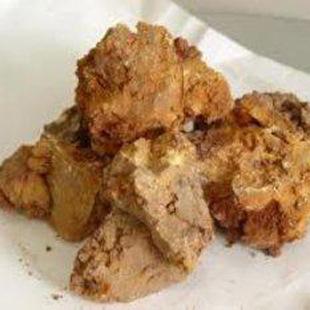
When fused magnesite is added to a material mixture, its physical properties come into play. Fused magnesite particles are usually irregular in shape and have a certain size distribution. These particles can interact with other components in the mixture through mechanical interlocking. For instance, in a refractory concrete mixture, the large - sized fused magnesite particles can form a skeletal structure, which restricts the movement of the surrounding matrix and increases the overall viscosity of the mixture.
3.2 Chemical Reaction
Fused magnesite can also participate in chemical reactions within the mixture. At high temperatures, it may react with other oxides or components present in the mixture. For example, in a slag - resistant refractory mixture, fused magnesite can react with iron oxides in the slag to form magnesium - iron spinel. This chemical reaction changes the composition and structure of the mixture, leading to an increase in viscosity. The formation of new phases can create a more rigid network within the material, making it more resistant to flow.
3.3 Surface Properties
The surface properties of fused magnesite particles, such as surface area and surface charge, can affect the viscosity of the mixture. A larger surface area means more contact points between the fused magnesite particles and other components in the mixture. This can enhance the intermolecular forces between the particles, resulting in an increase in viscosity. Additionally, the surface charge of the particles can influence the dispersion state of the mixture. If the surface charge is appropriate, it can promote the aggregation of particles, thereby increasing the viscosity.
4. Influencing Factors on the Effect of Fused Magnesite on Viscosity
4.1 Particle Size and Distribution
The particle size and distribution of fused magnesite have a significant impact on the viscosity of the mixture. Generally, smaller particle sizes lead to a higher specific surface area, which increases the interaction between the particles and other components in the mixture, thus increasing the viscosity. A well - graded particle size distribution can also optimize the packing density of the particles in the mixture, further affecting the viscosity. For example, a combination of fine and coarse fused magnesite particles can form a more compact structure, resulting in a different viscosity compared to using a single - sized particle.
4.2 Content of Fused Magnesite
The amount of fused magnesite added to the mixture is another crucial factor. As the content of fused magnesite increases, the viscosity of the mixture generally increases. However, there is usually an optimal content range. Beyond this range, the excessive addition of fused magnesite may cause issues such as poor workability or segregation in the mixture. For example, in a refractory mortar, if too much fused magnesite is added, the mortar may become too thick to be applied properly.
4.3 Temperature
Temperature has a profound effect on the viscosity of the mixture containing fused magnesite. At lower temperatures, the intermolecular forces between the particles are relatively strong, and the viscosity is high. As the temperature increases, the kinetic energy of the particles increases, and the intermolecular forces weaken. This leads to a decrease in viscosity. However, at high temperatures, the chemical reactions involving fused magnesite may occur, which can reverse the trend and increase the viscosity again. For example, in a high - temperature melting process, the initial decrease in viscosity due to temperature rise may be followed by an increase as new phases are formed through chemical reactions.
4.4 Other Components in the Mixture
The presence of other components in the mixture can interact with fused magnesite and affect the viscosity. For example, the addition of certain additives or binders can modify the surface properties of the fused magnesite particles or the overall chemical environment of the mixture. Some additives can act as dispersants, reducing the viscosity by preventing particle aggregation. On the other hand, binders can increase the viscosity by forming a cohesive matrix that holds the particles together.
5. Practical Implications in Different Industries
5.1 Refractory Industry
In the refractory industry, the control of viscosity is essential for the production and application of refractory materials. By adjusting the amount and particle size of fused magnesite, manufacturers can optimize the viscosity of the refractory mixture to ensure good workability during shaping processes such as casting, pressing, or gunning. At the same time, the appropriate viscosity can also enhance the performance of the refractory material at high temperatures, such as its resistance to erosion and thermal shock.
5.2 Metallurgical Industry
In the metallurgical industry, fused magnesite is often used in the lining of furnaces and ladles. The viscosity of the refractory lining material affects its ability to adhere to the furnace wall and resist the flow of molten metal and slag. A proper viscosity ensures that the lining material can be applied evenly and maintain its integrity during the high - temperature operation, protecting the furnace structure and improving the quality of the molten metal.
5.3 Ceramics Industry
In the ceramics industry, fused magnesite can be added to ceramic mixtures to improve their properties. The viscosity of the ceramic slurry or green body affects the shaping process, such as slip casting or extrusion. By controlling the effect of fused magnesite on viscosity, ceramic manufacturers can achieve better - quality products with precise shapes and uniform structures.
6. Conclusion and Call to Action
In conclusion, fused magnesite has a complex and significant impact on the viscosity of materials in mixtures. Through physical interaction, chemical reaction, and surface property effects, it can either increase or decrease the viscosity depending on various factors such as particle size, content, temperature, and other components in the mixture. Understanding these mechanisms and influencing factors is crucial for industries that use fused magnesite in their processes.
As a professional fused magnesite supplier, we are committed to providing high - quality fused magnesite products that can meet the specific requirements of different industries. Our products are carefully processed to ensure consistent quality and performance. If you are interested in our fused magnesite products or have any questions about how it can affect the viscosity of your material mixtures, please feel free to contact us for further discussion and potential procurement opportunities. We look forward to working with you to achieve the best results in your industrial applications.
References
- Smith, J. K. (2018). Refractory Materials: Properties and Applications. Elsevier.
- Jones, A. B. (2019). The Role of Magnesite in High - Temperature Industries. Journal of Industrial Materials, 45(2), 123 - 135.
- Brown, C. D. (2020). Viscosity Control in Material Mixtures. Chemical Engineering Reviews, 56(3), 211 - 225.


