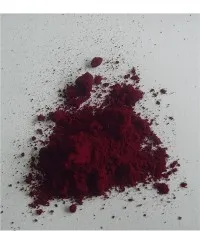

Hey there! As a supplier of Lead Chrome Yellow 34, I often get asked whether this pigment can be used in rubber products. So, I thought I'd take a deep - dive into this topic and share what I've learned over the years.
What is Lead Chrome Yellow 34?
Lead Chrome Yellow 34 is an inorganic pigment that's well - known for its bright and intense yellow color. It has been around for a long time and has found its way into various industries due to its excellent pigmentary properties. It offers good opacity, high tinting strength, and decent lightfastness. These features make it a popular choice for coloring different materials.
Properties of Rubber Products
Rubber products come in all shapes and sizes, from tires and seals to rubber toys and footwear. Different types of rubber, like natural rubber, synthetic rubber (such as SBR, NBR, and EPDM), have different characteristics. They need to have certain properties such as flexibility, durability, resistance to heat, chemicals, and abrasion. The choice of pigment for rubber products can greatly affect these performance aspects.
Compatibility in Rubber Products
When it comes to using Lead Chrome Yellow 34 in rubber, there are several factors to consider.


Chemical Compatibility
One of the first things to look at is how Lead Chrome Yellow 34 reacts with the rubber matrix. Rubber compounds often contain various additives like accelerators, antioxidants, and vulcanizing agents. These chemicals can potentially interact with the pigment. In most cases, Lead Chrome Yellow 34 has a relatively good chemical compatibility with many rubber types. However, it's crucial to conduct small - scale tests. For example, when mixed with some types of synthetic rubber, the pigment doesn't cause any significant chemical reactions that would degrade the rubber's properties.
Physical Compatibility
Physically, the pigment needs to disperse evenly in the rubber. Uneven dispersion can lead to color variations and affect the mechanical properties of the rubber product. Lead Chrome Yellow 34 particles are usually fine enough to disperse well in rubber during the mixing process. But, proper mixing techniques are essential. High - shear mixing can help break down any agglomerates and ensure a uniform distribution of the pigment throughout the rubber.
Heat Resistance
Rubber products are often exposed to high temperatures during processing (such as vulcanization) and use. Lead Chrome Yellow 34 has a decent heat resistance, which is important for rubber applications. It can withstand the typical vulcanization temperatures of many rubber compounds without significant color change or degradation. This means that the yellow color will remain stable during the manufacturing process and in the final product.
Advantages of Using Lead Chrome Yellow 34 in Rubber
There are some clear benefits of using this pigment in rubber products.
Color Intensity
The bright and vivid yellow color provided by Lead Chrome Yellow 34 can make rubber products stand out. Whether it's for decorative purposes or to meet specific color requirements in industries like automotive or consumer goods, the pigment offers a high - quality color solution.
Cost - Effectiveness
Compared to some organic pigments, Lead Chrome Yellow 34 is relatively cost - effective. This makes it an attractive option for manufacturers looking to color their rubber products without breaking the bank.
Weather Resistance
It has good weather resistance, which means that rubber products colored with Lead Chrome Yellow 34 can maintain their color over time, even when exposed to sunlight, rain, and other environmental factors.
Potential Drawbacks
However, it's not all sunshine and rainbows. There are a few potential drawbacks to using Lead Chrome Yellow 34 in rubber products.
Lead Content
Lead is a heavy metal, and there are concerns about its environmental and health impacts. In some regions, there are strict regulations regarding the use of lead - containing pigments. For example, in the European Union, the Restriction of Hazardous Substances (RoHS) directive restricts the use of lead in certain products. So, if you're manufacturing rubber products for markets with such regulations, you need to be extra careful.
Limited Color Range
While it offers a great yellow color, Lead Chrome Yellow 34 has a limited color range on its own. If you need a wider spectrum of colors, you may have to combine it with other pigments. For example, if you want an orange - yellow shade, you might consider using it in combination with Molybdate Chrome Red 104.
Alternatives to Lead Chrome Yellow 34 in Rubber
If you're hesitant about using Lead Chrome Yellow 34 due to the lead content or regulatory issues, there are alternatives.
Organic Pigments
Organic pigments can offer a wide range of colors and are generally considered more environmentally friendly. However, they may be more expensive and sometimes have lower heat resistance compared to Lead Chrome Yellow 34.
Other Inorganic Pigments
There are also other inorganic pigments available. For example, Pigment Carbon Black HB - 400R and Pigment Carbon Black HB - 4A can be used for black - colored rubber products. These carbon black pigments offer good reinforcement properties in addition to coloring.
Conclusion
So, can Lead Chrome Yellow 34 be used in rubber products? The answer is yes, but with some caveats. It has good chemical and physical compatibility, offers excellent color intensity, and is cost - effective. However, the lead content is a major concern, especially in regions with strict regulations. Before using it in large - scale production, it's essential to conduct thorough tests to ensure that it meets all the requirements of your rubber products.
If you're interested in exploring the use of Lead Chrome Yellow 34 for your rubber products or have any questions about our pigment offerings, don't hesitate to reach out. We're here to help you make the best choice for your manufacturing needs.
References
- "Handbook of Rubber Technology"
- "Pigment Chemistry and Applications"
- Industry reports on rubber pigments and regulations